
Gold Key Roofing
Roof Repair Guide: Cost, Methods, Insurance & Prevention in Texas
Your roof is your home’s first line of defense against Texas heat, hail, wind, and heavy rain. Even small problems can lead to serious damage if ignored. At Gold Key Roofing, we created this Roof Repair Guide to help Texas homeowners understand repair methods, costs, insurance coverage, and prevention strategies. Learn how to spot roof issues early, choose the right repair solution, and protect your home with smart, long-term maintenance decisions.
What Is Roof Repair?
Roof repair is the process of restoring damaged roofing components—such as shingles, flashing, roof decking, or membranes—to prevent water intrusion, maintain structural integrity, and extend the roof’s lifespan. Repairs can be temporary or permanent and may save homeowners significant costs compared to full replacement.
Understanding roof repair early helps homeowners make informed decisions, reduce costs, and prevent escalation of damage.
Roof Damage Types in Texas
Even minor roof leaks should not be ignored, as explained earlier, because moisture intrusion can quickly escalate into insulation damage and structural decay.
Can a damaged roof be repaired?
Yes, many types of roof damage can be repaired without a full replacement. Minor leaks, damaged shingles, and small structural issues are often fixable with proper assessment and timely intervention. However, severe structural damage or widespread deterioration may require partial or full roof replacement to maintain safety and integrity.
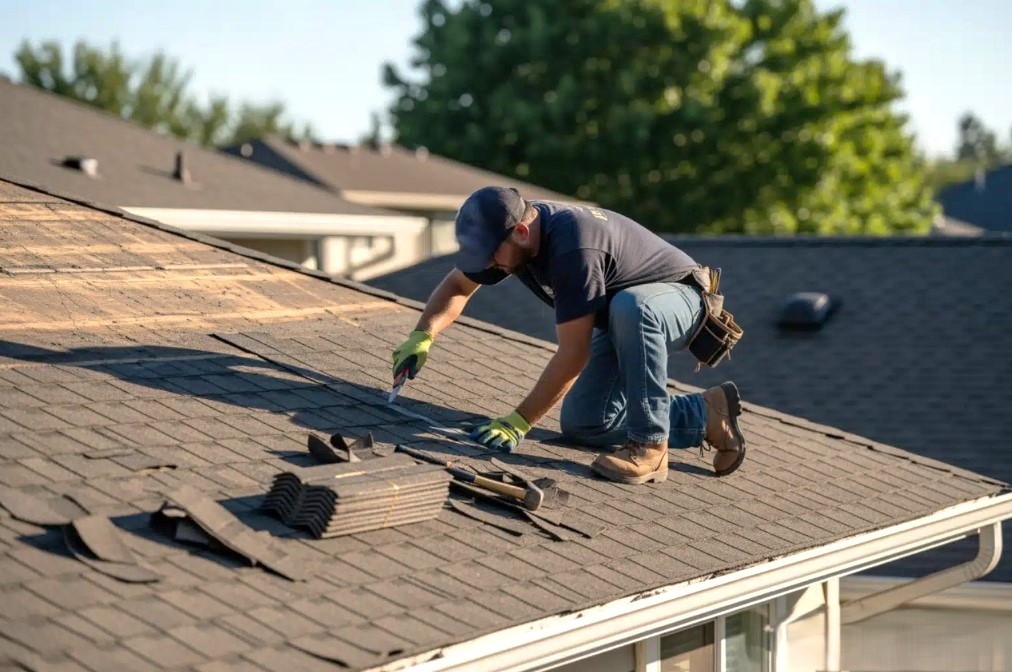
Is it worth it to repair a roof?
Repairing a roof is often more cost-effective than replacing it entirely. Timely repairs prevent further damage, such as water infiltration or rot, which can compromise your home’s structure. In Texas, where weather extremes can accelerate wear, addressing roof problems early is especially important to extend the roof’s lifespan.
What is a roof replacement?
A roof replacement involves removing the existing roof materials and installing a completely new system. This process is typically necessary when the roof has reached the end of its lifespan, has extensive damage, or when repairs would be too frequent or costly to maintain. Roof replacement ensures long-term protection and may increase the value of your home.
How do I know if I need a new roof?
Signs that a new roof may be necessary include:
- Recurrent leaks despite multiple repairs
- Extensive shingle damage or missing shingles
- Sagging areas or visible structural issues
- Age of the roof approaching or exceeding its expected lifespan (usually 20–25 years for asphalt shingles)
Regular inspections can help identify these warning signs early, allowing you to plan repairs or replacements before problems escalate.
Understanding roof damage and repair necessity
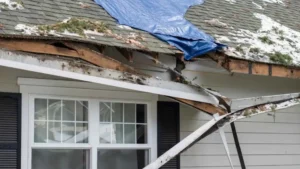
Roof damage ranges from minor cosmetic issues to major structural failures. Understanding whether damage is repairable or requires replacement helps homeowners make cost-effective and safe decisions early.
Common Roof Problems in Texas & How to Detect Them
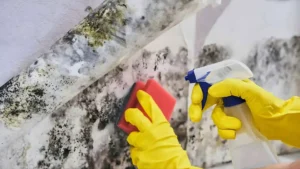
Even a small roof leak can become a serious problem if left untreated. Water intrusion can damage insulation, ceilings, and walls, potentially leading to mold growth. In Texas, heavy storms can quickly worsen leaks, so addressing even minor leaks promptly is crucial for the long-term health of your roof and home.
How to find a roof leak
Finding a roof leak often requires careful inspection both inside and outside your home. Start by looking for water stains on ceilings, walls, or attic insulation. Inside the attic, damp or discolored insulation is a clear sign of water intrusion. Outside, inspect shingles, flashing, and vent pipes for visible damage or gaps where water could enter. In Texas, seasonal storms can worsen leaks, so inspecting your roof after heavy rain is highly recommended.
How to detect roof leaks
Roof leaks can be subtle, especially in their early stages. Common detection methods include:
- Attic inspection: Look for mold, water stains, or sagging areas.
- Exterior inspection: Check for cracked, missing, or curling shingles.
- Water tests: Using a garden hose to simulate rainfall can help identify leaks in inaccessible areas.
Routine inspections, at least twice a year, help homeowners catch problems before they escalate, especially in areas prone to sudden Texas storms.
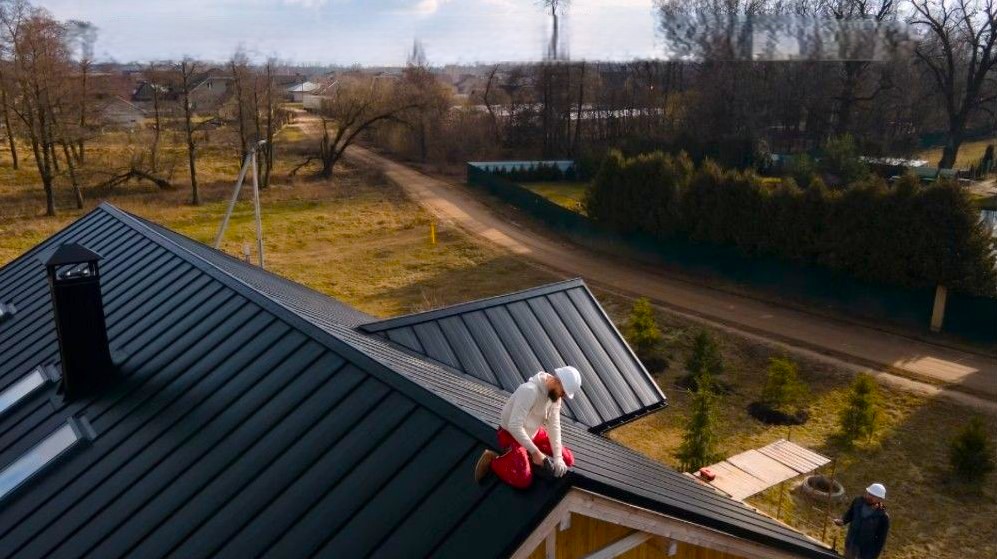
How to check for roof leaks
Checking for leaks systematically can prevent minor issues from turning into major repairs. Walk your roof safely or hire a professional roofer for a thorough inspection. Pay close attention to roof joints, valleys, skylights, chimneys, and vents, as these are common sources of leaks. Documenting any findings ensures timely repairs.
Tell-tale signs of a leaky roof
Some signs indicate a roof is leaking even if water stains aren’t visible yet:
- Curling, blistering, or missing shingles
- Damaged or rusted flashing around roof penetrations
- Soft or sagging spots in the roof deck
- Dripping water during rainfall or after storms
Early detection is key to preventing water damage, which can compromise insulation, ceilings, and structural integrity.
How serious is a small roof leak?
Small roof leaks may appear harmless at first, but they can escalate quickly, as explained above, and should be addressed promptly.
Is it normal for a roof to leak in heavy rain?
While some minor water seepage may occur in older roofs during heavy storms, frequent or large leaks are not normal and indicate underlying damage. In Texas, where sudden storms and hail are common, even minor leaks should be addressed immediately to prevent water damage, mold growth, and wood rot.
How to repair a leaking roof from the inside
In some cases, temporary internal repairs can reduce water damage until professional repair is possible. These include:
- Placing a tarp or plastic sheeting over the leak from inside the attic to protect insulation and ceilings
- Using buckets or containers to collect dripping water
- Applying temporary patching materials on the underside of the roof deck if accessible
These internal solutions are temporary and should be followed by professional roof repair for long-term protection.
Identifying common signs of roof wear
Over time, roofs in Texas are subject to wear from UV exposure, heat, wind, and hail. Common indicators of roof wear include:
- Fading or discoloration of shingles
- Cracked, curled, or missing shingles
- Granule loss from asphalt shingles
- Rusted or damaged metal components, such as flashing and vents
Regular maintenance and timely inspections help homeowners extend roof lifespan and prevent leaks from becoming structural issues.
Roof Repair Methods: DIY vs Hiring a Professional
DIY is only recommended for minor leaks or isolated shingle damage. Steep, metal, or structurally compromised roofs require professional attention. Understanding when to DIY vs hire a professional ensures safety, effectiveness, and long-term protection.
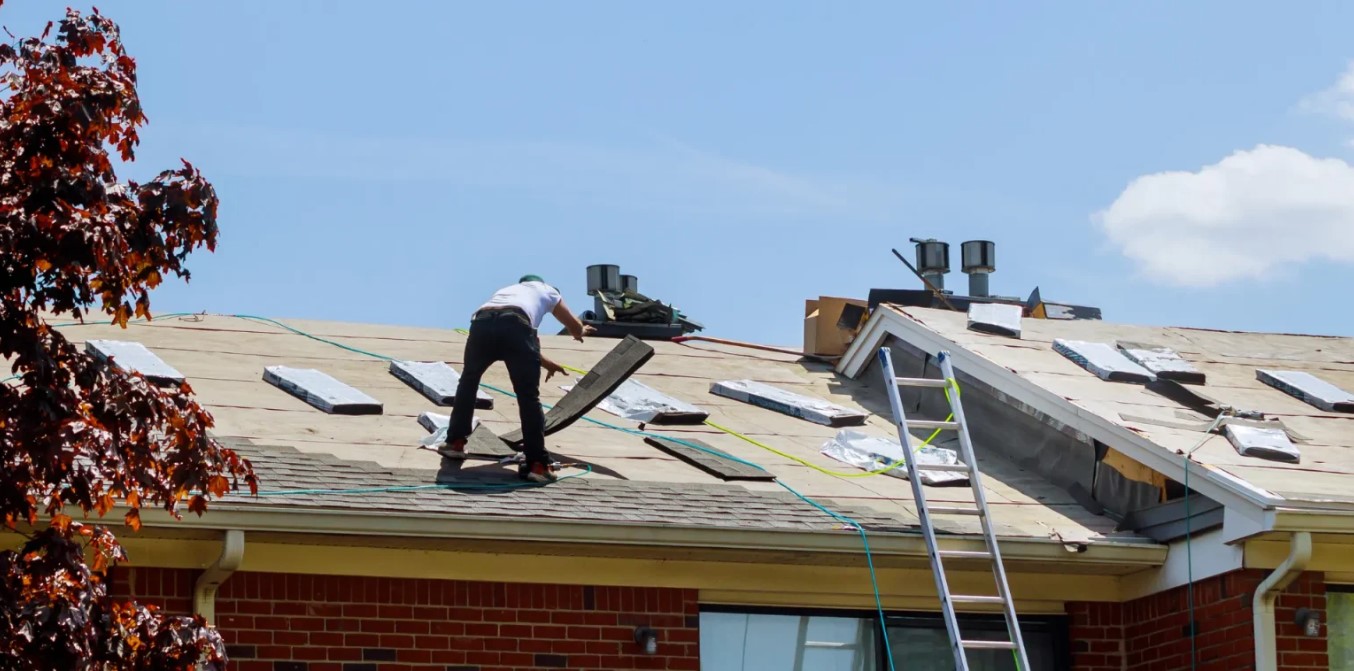
Can I repair a roof leak myself?
Many minor roof leaks can be temporarily repaired by homeowners with basic tools and materials. Because even minor leaks can escalate into structural issues, DIY repairs should be limited to temporary fixes only; extensive damage should be handled by professionals.
When to Hire a Professional
Handymen can sometimes handle minor repairs like shingle replacement, small flashing fixes, or temporary leak patches. However, they may lack the specialized training and equipment required for complex repairs, especially on flat or metal roofs. Hiring a licensed roofing professional ensures proper techniques, safety, and warranty coverage.
DIY Roof Repair Guide
For homeowners who choose DIY, following a systematic guide is essential:
- Assess the damage: Identify leaks, damaged shingles, or flashing issues.
- Gather tools and materials: Safety harness, roofing nails, shingles, sealant, roofing adhesive, ladder, gloves, and safety gear.
- Plan temporary vs permanent repairs: Temporary patches can prevent further damage until professional help arrives, but permanent repairs are critical for long-term protection.
- Prioritize safety: Never work alone and avoid steep or unstable roofs.
Step-by-step roof repair techniques
- Fixing minor roof leaks: Apply roofing sealant to small cracks or holes. For leaks near vents or chimneys, inspect flashing and reseal gaps.
- Replacing missing or damaged shingles: Remove the damaged shingle, slide a new one into place, and secure it with roofing nails. Apply roofing adhesive to seal edges if necessary.
- Repairing a flat roof: Clean the area, apply patching material or roof cement, and reinforce with a waterproof membrane for durability.
- Repairing metal roof leaks: Inspect seams, fasteners, and panels. Apply sealant or replace damaged panels. Tighten loose screws and check for corrosion that could compromise the repair.
Temporary vs permanent repair considerations
Temporary repairs, such as roof tarps or patching sealants, can mitigate damage after a storm or sudden leak. Permanent repairs, including shingle replacement, flashing repair, or full membrane replacement on flat roofs, provide long-lasting protection. Texas homeowners should prioritize permanent fixes after initial temporary measures.
These factors determine whether DIY repairs are practical or if professional roofing services are required.
- DIY: Suitable for minor leaks, small shingle replacement, and temporary fixes.
- Professional: Necessary for large leaks, structural issues, metal or flat roofs, and high-risk locations. Professionals bring the tools, experience, and safety protocols required for complex repairs.
By understanding these methods, Texas homeowners can make informed decisions, balancing cost, safety, and long-term protection of their roofs.
Roof Repair Costs & Factors in Texas
Understanding the cost of roof repair in Texas is essential for homeowners planning maintenance or emergency fixes. Roof repair costs vary widely depending on damage type, roof size, materials, labor, and accessibility. Being informed helps homeowners budget effectively and make smart repair decisions.
How much does roof repair cost?
Roof repair in Texas typically costs $300–$1,500, depending on damage severity, roof type, labor, and accessibility. Minor repairs, such as replacing a few shingles, may cost a few hundred dollars, while more extensive repairs involving structural damage or multiple leaks can reach several thousand dollars. On average, small to moderate residential repairs cost $300–$1,500.
How much to repair a roof?
Repair costs are influenced by the size of the damaged area, the type of roofing material, and labor rates in Texas. Asphalt shingle repairs are generally more affordable, while metal or flat roof repairs can be more expensive due to specialized materials and techniques. Accessibility, roof pitch, and weather conditions also affect the final cost.
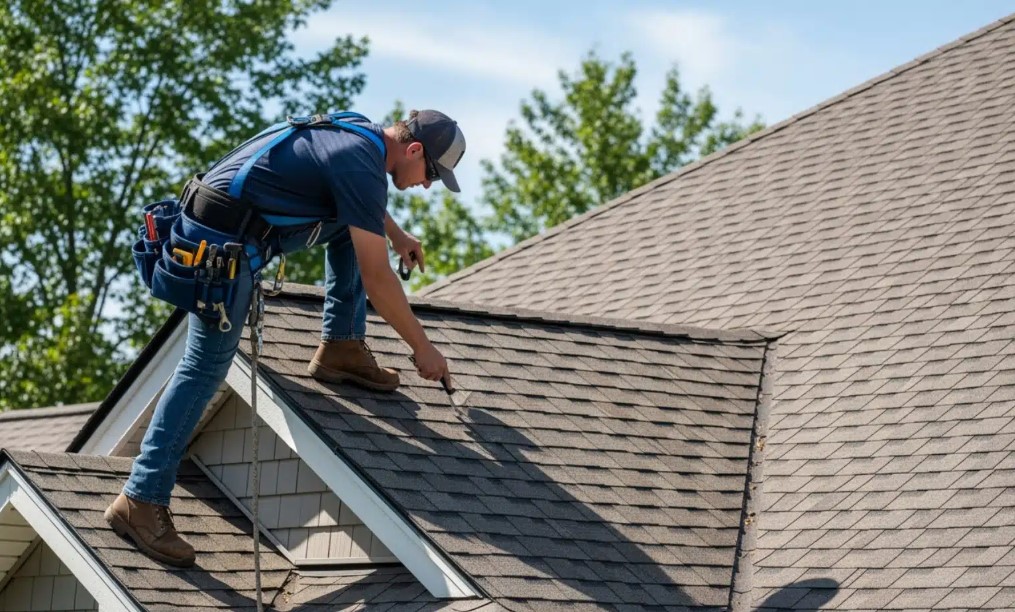
How much does it cost to repair a roof leak?
Repairing a roof leak depends on the source and severity of the leak. Small leaks around flashing or replacing a few shingles usually cost $150–$300, including labor, whereas extensive leaks affecting the roof deck or insulation can cost $1,000 or more. Rates may rise during Texas storm seasons.
Why does roof repair cost so much?
Several factors contribute to the cost of roof repair:
- Labor costs: Skilled roofing contractors in Texas charge based on their experience, the scope of work, and safety requirements.
- Materials costs: High-quality shingles, flashing, and sealants add to the overall expense.
- Repair type: Structural repairs, flat roof repairs, or metal roof fixes require specialized tools and techniques.
- Roof size and complexity: Larger roofs, steep slopes, or multiple roof levels increase labor and material needs.
- Emergency repairs: Urgent repairs after storms or leaks often carry higher rates due to immediate scheduling and additional resources.
Average cost to reroof a house
Roof repair is usually less expensive than full replacement, but understanding reroofing costs helps homeowners weigh options. In Texas, reroofing a standard asphalt shingle roof typically costs $7,000–$15,000, depending on size, materials, and labor. Complex designs or custom materials can increase costs.
How much does it cost to replace a few shingles?
Replacing a few damaged shingles is one of the most affordable repairs, often costing $150–$300, including labor. Timely replacement prevents leaks from developing into larger issues.
How much to replace rotted wood on a roof?
Rotted wood replacement can cost $500–$2,000, depending on area and structural complexity. Early intervention prevents further structural damage.
Is repair to a leaking roof a fixed cost?
Roof repair costs are rarely fixed. Each project varies based on type and extent of damage, material choice, labor rates, and Texas-specific conditions such as weather and accessibility. Obtaining multiple estimates from licensed contractors ensures accurate budgeting.
When to Repair vs Replace Your Roof
Deciding whether to repair or replace your roof is critical for Texas homeowners. Making the right choice protects your home, saves money, and improves energy efficiency. Understanding the signs, lifespan, and extent of damage is crucial for effective roof management.
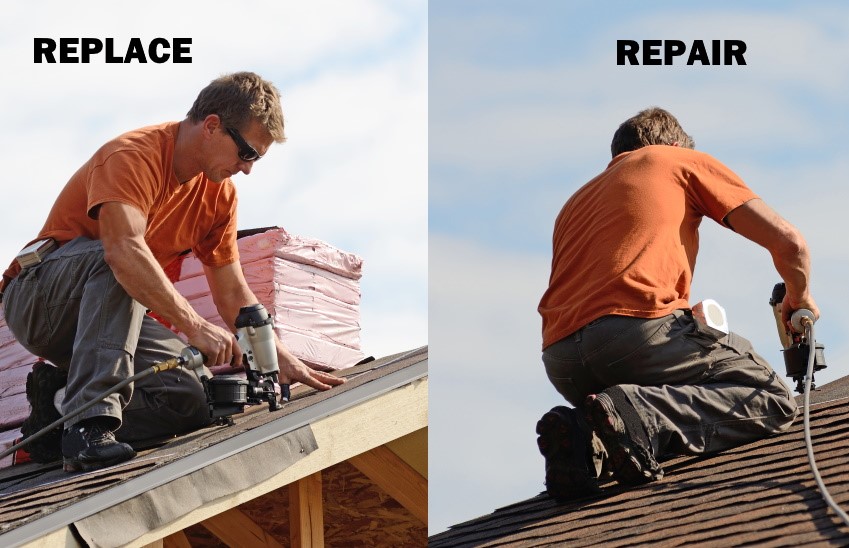
Does a leaky roof need to be completely replaced?
Not every leaky roof requires full replacement. Small leaks caused by damaged shingles, loose flashing, or minor structural issues can often be repaired. However, widespread or repeated leaks or extensive water damage may make replacement more cost-effective.
Is it better to repair or replace a roof?
The decision to repair or replace depends on several factors:
- Age of the roof: Roofs nearing 20–25 years may benefit more from replacement than repeated repairs.
- Extent of damage: Minor leaks or small flashing issues suit repairs; major structural problems require replacement.
- Cost-benefit analysis: Replacement prevents frequent repairs, reduces energy bills, and increases home value.
Roof replacement vs repair
- Repair: Suitable for minor leaks, isolated issues, or cosmetic damage. Repairs are faster, less expensive, and preserve existing roofing.
- Replacement: Necessary for aging roofs, structural damage, or when repeated repairs exceed replacement cost. Replacement ensures long-term protection and often includes new warranties.
Minor vs major damage
- Minor damage: Small leaks, a few missing shingles, localized flashing issues.
- Major damage: Structural compromise, widespread shingle loss, rotted decking, or repeated leaks. In Texas, extreme weather can escalate minor issues into major repairs.
Signs your roof needs replacement
Common indicators that it’s time to replace your roof include:
- Extensive shingle deterioration or missing shingles
- Frequent leaks despite previous repairs
- Sagging rooflines or structural deformities
- Age surpassing expected lifespan
- Severe storm, hail, or wind damage
How to know if you need a new roof
To determine if replacement is necessary, consider:
- Professional inspection for hidden damage
- Compare repair vs replacement costs
- Evaluate roof age and material durability
- Consider long-term safety and energy efficiency
Careful assessment helps Texas homeowners make informed decisions, protecting their home and investment.
Preparing for Roof Repair in Texas
Proper preparation is critical for a smooth and safe roof repair process. Frequent hail, heat & wind cycles make preparation critical for homeowner safety and repair quality.
Best time of year for roof repair
The timing of roof repair can significantly impact cost, safety, and longevity. In Texas, spring and fall are often ideal because temperatures are moderate and severe storms are less frequent. Avoid peak summer heat to prevent heat-related injuries and ensure proper adhesion of roofing materials. Winter repairs are possible but may be limited by cold temperatures affecting materials and safety conditions.
Safety precautions for roof repair
Safety should be the top priority during any roof repair project. Key precautions include:
- Wear proper PPE: gloves, non-slip shoes, safety harnesses
- Ensure ladders are stable on level ground
- Never work alone; have a partner for assistance and emergencies
- Watch for slippery surfaces, loose shingles, and steep slopes
For Texas homeowners, taking these precautions is especially important due to high winds, sudden storms, and intense sun exposure.
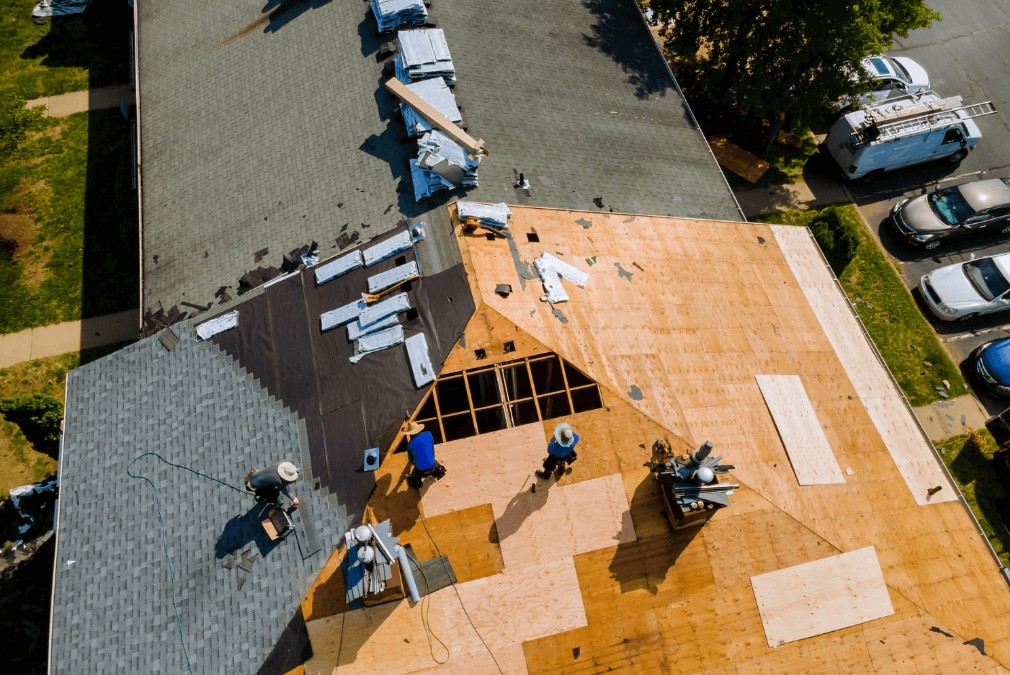
Seasonal maintenance tips
- Spring: Inspect winter storm damage, clear debris, check leaks
- Summer: Monitor for heat-related shingle curling or cracking
- Fall: Clean gutters, inspect flashing, prepare for winter storms
- Winter: Check for ice dams in northern Texas, and ensure attic insulation
Preparing inside and outside your home
- Inside: Move furniture, cover floors, protect ceilings if leaks exist
- Outside: Remove vehicles, garden furniture, and obstacles; keep pets and children safe
Create clear access for the roofing crew
Providing clear access helps roofing crews work efficiently and safely. Trim overhanging tree branches, mark pathways, and ensure scaffolding or ladders can be placed safely. Efficient access reduces risk and accelerates repairs.
Roof Repair Insurance & Warranty Considerations in Texas
Understanding insurance and warranties for roof repair in Texas can save homeowners both time and money. Knowing what is covered, what isn’t, and how to file claims ensures maximum benefit while avoiding surprises during repair.
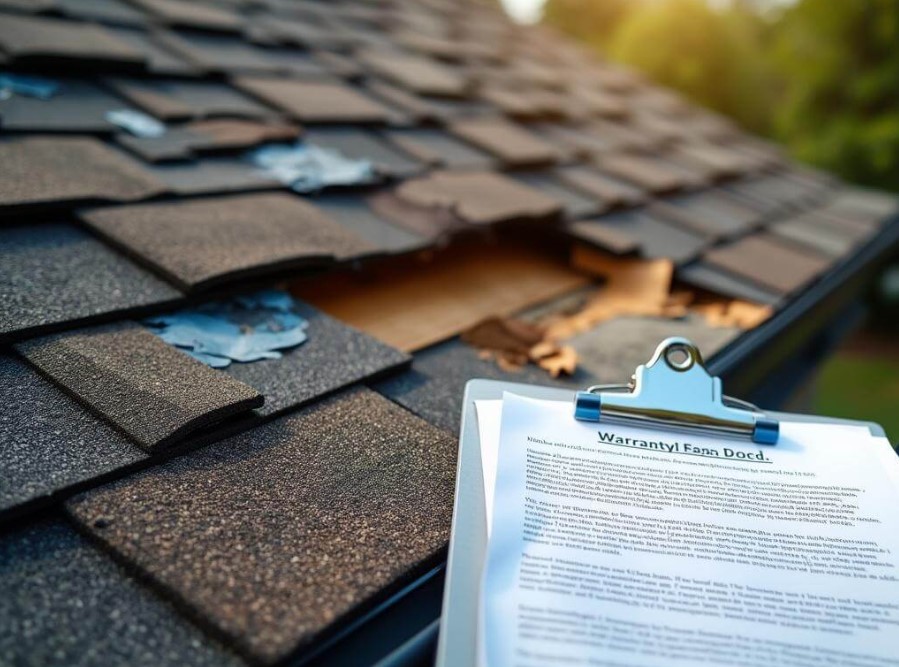
Will homeowners' insurance cover roof leak repair?
Homeowners’ insurance often covers roof leak repairs, but coverage depends on the cause. Sudden and accidental damage, such as hail, windstorms, or fallen trees, is typically covered. Damage from neglect, wear and tear, or lack of maintenance usually isn’t covered. In Texas, where storms are frequent, reviewing your policy carefully is essential.
Does insurance cover a hole in the roof?
Yes, if the hole results from a covered peril like hail, wind, or falling debris. Document the damage with photos and contact your insurer promptly. Adjusters may inspect to determine coverage. Holes caused by aging roofs or poor maintenance are generally not covered.
How to make a successful roof leak insurance claim
Filing a roof repair claim successfully involves several steps:
- Document the damage: Take photos, note dates and causes.
- Review your policy: Understand coverage limits and deductibles.
- Contact your insurer promptly: Report damage as soon as discovered.
- Get professional estimates: Licensed contractors provide repair/replacement quotes.
- Work with the adjuster: Be present during inspections and provide documentation.
Following these steps increases the likelihood of a smooth and successful claim process.
Is roof repair covered under home insurance?
Coverage varies. Insurance usually covers sudden, accidental damage rather than long-term deterioration. Routine maintenance and small repairs to prevent leaks are the homeowner’s responsibility. Maintaining records of inspections and repairs demonstrates proactive care, which can help in disputed claims. Coverage eligibility depends on the same factors outlined above.
What type of damage does home insurance not cover?
Yes, if caused by a covered event. Document leaks promptly, contact your insurer, and consider temporary repairs to prevent further damage. Permanent fixes should follow insurance approval.
How old does a roof have to be before insurance won’t cover it?
Most insurance policies in Texas set age limits on roof coverage, often excluding roofs older than 20–25 years. Some policies offer partial coverage or replacement limitations. Knowing your policy’s thresholds helps plan timely repairs or replacements.
By understanding insurance policies, coverage limits, and warranties, Texas homeowners can confidently manage repairs, maximize coverage, and protect their investment.
Preventive Roof Maintenance Tips
Preventive roof maintenance is essential for protecting your Texas home from costly and unexpected repairs. Harsh weather patterns, extreme heat, UV exposure, and seasonal storms accelerate roof deterioration if proactive care is not applied. Regular maintenance extends the roof’s lifespan, improves safety, and minimizes emergency repair expenses.
Regular roof inspections
Routine roof inspections form the foundation of preventive maintenance. Homeowners should visually inspect their roofs at least twice per year, typically during spring and fall, and after major storms. Look for damaged, missing, or curling shingles, rusted or loose flashing, and visible signs of leaks inside the attic. Professional inspections every few years help detect hidden issues and create documented proof for insurance purposes.
Prevent roof deterioration with attic ventilation
Proper attic ventilation prevents moisture buildup that leads to mold growth, wood rot, and shingle deterioration. In Texas, excessive attic heat can also shorten shingle lifespan and increase cooling costs. Balanced airflow through ridge vents, soffit vents, or gable vents helps regulate temperature, protect structural components, and prolong roof durability.
Cleaning gutters
Clogged gutters cause water to back up beneath shingles, leading to leaks and fascia damage. Cleaning gutters at least twice annually, especially after storms or heavy leaf accumulation, is crucial. Inspect downspouts to ensure water flows away from the foundation. Effective gutter maintenance protects both roofing systems and home structural integrity.
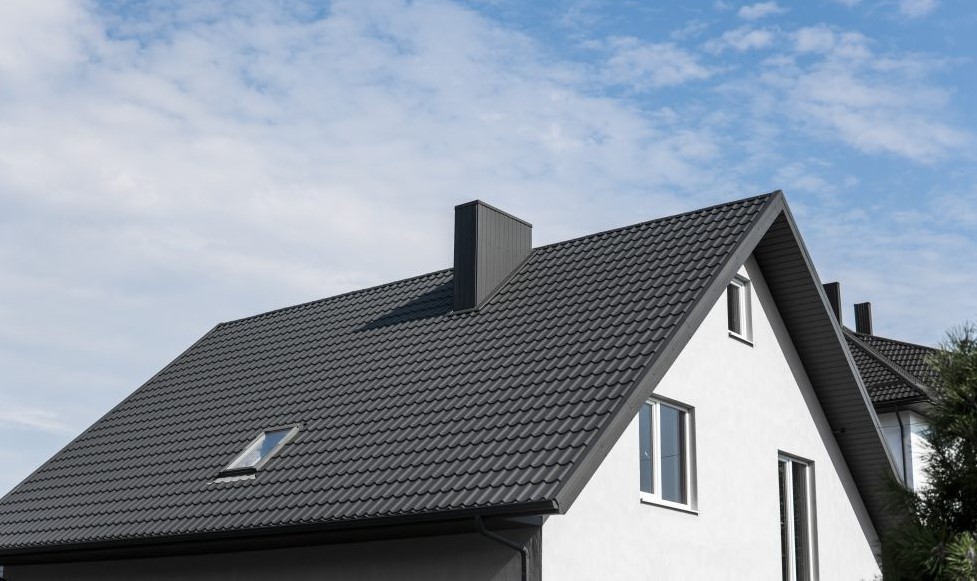
Storm preparation tips
Texas homeowners should prepare their roofs before storm seasons by taking proactive measures:
- Trimming overhanging tree branches to prevent impact damage
- Securing loose shingles or flashing
- Inspecting for existing weak points or leaks and repairing them early
- Ensuring proper attic insulation and ventilation
Storm preparation reduces sudden damage, lowers repair costs, and improves insurance claim outcomes when severe weather occurs.
How to stop a roof from leaking
Preventing leaks before escalation is critical. Key steps include:
- Promptly replacing damaged or missing shingles
- Sealing gaps around vents, chimneys, and skylights
- Maintaining flashing and roof joints for watertight protection
- Performing routine inspections and repairs
Consistent preventive care significantly reduces the risk of water damage and extends the roof’s lifespan in Texas climates.
Frequently Asked Questions (FAQs) About Roof Repair Guide
The cost of repairing a small section of a roof typically ranges from $150 to $500, depending on roofing material, damage extent, and labor rates in Texas. Minor repairs, such as replacing a few shingles or patching a small leak, are usually affordable and prevent further damage.
Yes, homeowners can manage minor leaks using proper safety equipment, roofing adhesive, and sealants. DIY repairs are suitable for small issues like loose shingles or pinhole leaks. For extensive damage, steep roofs, or structural problems, professional roofing services are recommended for safety and long-term results.
Repairing a roof is worthwhile when damage is minor, the roof is relatively new, or replacement costs are significantly higher. Timely repairs prevent leaks, structural damage, and mold growth, extending roof lifespan and reducing long-term expenses.
To file a roof leak insurance claim:
- Document damage with photos and notes
- Review your policy for coverage details
- Contact your insurance provider promptly
- Obtain professional repair estimates
- Work with the adjuster during inspections
Acting quickly after Texas storms improves claim success rates and reduces additional damage.
Roof lifespan depends on materials, climate, and maintenance:
- Asphalt shingles: 20–25 years
- Metal roofs: 40–70 years
- Tile roofs: 50+ years
Routine maintenance extends longevity, while neglect and severe weather shorten lifespan.
The cheapest solution is often a temporary patch or shingle replacement. Roofing sealant for small cracks or replacing damaged shingles can stop leaks affordably. Permanent repairs or professional service are necessary for long-term reliability, especially in storm-prone Texas regions.
Flat Roof vs Shingle Roof Repairs
Flat roofs require membrane patching or replacement due to ponding water risks, while shingle roofs involve replacing damaged shingles and inspecting flashing. Flat roofs fail from water retention, whereas shingle roofs fail from wind and hail damage—both common in Texas.
Temporary vs Permanent Repairs
Temporary repairs like tar, sealants, or tarps provide short-term protection. Permanent repairs—shingle replacement, flashing repair, or structural restoration—ensure durability. Texas homeowners often use temporary solutions immediately after storms before scheduling permanent professional repairs.
Emergency Roof Leak Handling
Emergency leaks require immediate action:
- Identify the leak source
- Apply temporary protection
- Move valuables away
- Contact a licensed roofer
Fast response prevents structural damage and reduces insurance complications.
Common DIY Mistakes
DIY errors include:
- Using incorrect materials
- Ignoring safety gear
- Treating symptoms instead of root causes
- Overusing sealants instead of proper repairs
Awareness reduces risk and improves repair effectiveness.
Flashing Repair Tips
Flashing protects roof joints. Maintenance includes:
- Inspecting cracks or loose fasteners
- Re-securing or replacing damaged flashing
- Sealing minor gaps
Proper flashing maintenance is one of the most effective leak-prevention strategies.
Shingle Replacement Step-by-Step
Replacing damaged shingles requires:
- Lift surrounding shingles carefully
- Remove nails and damaged shingles
- Slide nethe w shingle into place
- Secure with nails and seal edges
Correct installation ensures watertight integrity.
Seasonal Roof Maintenance Checklist
A seasonal checklist helps maintain roof integrity in Texas:
- Spring: Inspect damage and clean gutters
- Summer: Monitor heat damage and ventilation
- Fall: Remove debris and inspect flashing
- Winter: Check insulation and ice buildup
Consistent seasonal care minimizes repairs and maximizes roof lifespan.
Conclusion: Protect Your Texas Home with Smart Roof Repair Decisions
Roof repair is a critical component of maintaining your home’s safety, structural integrity, and long-term value. Whether addressing minor leaks, storm-related damage, or evaluating repair versus replacement, Texas homeowners benefit most from informed, proactive decision-making supported by regular inspections and timely intervention.
By understanding common roof problems, recognizing early warning signs, and evaluating DIY versus professional repair options, homeowners can reduce unnecessary expenses and avoid emergencies. Considering roof age, materials, climate exposure, and structural condition allows for cost-effective planning and extends overall roof lifespan.

Regular preventive maintenance—including seasonal inspections, gutter cleaning, proper attic ventilation, and flashing upkeep—plays a vital role in minimizing water intrusion and protecting against Texas-specific weather challenges such as extreme heat, hailstorms, high winds, and heavy rainfall. Preventive care transforms roof repair from a reactive expense into a strategic investment.
Understanding insurance coverage and warranty limitations empowers homeowners to maximize benefits after sudden damage while avoiding denied claims caused by neglect or aging materials. Clear documentation, professional inspections, and timely claims submission ensure smoother insurance outcomes.
Preparing your home before roof repairs—by ensuring safe access, protecting interior spaces, and following safety protocols—helps repairs proceed efficiently while minimizing disruption and risk. Well-planned repairs result in stronger workmanship, longer-lasting results, and greater peace of mind.
Ultimately, proactive roof care combined with timely, informed repairs preserves your home’s value, protects your family, and prevents small roofing issues from escalating into costly structural problems. By following this comprehensive Texas Roof Repair Guide, homeowners can confidently maintain a durable, weather-resistant, and long-lasting roofing system built to withstand Texas conditions.


3,000
COMPLETED PROJECTS
320
HAPPY CLIENTS
1,000
CUP OF COFFEE

