
Gold Key Roofing
Complete Full Roof Replacement Guide for Homeowners
This full roof replacement guide explains when a roof truly needs replacement, how the replacement process works, which factors influence cost and timing, and what considerations matter most for Texas homeowners. Instead of relying on appearance or age alone, the guide focuses on performance-based indicators, system integrity, and climate-specific risks.
What Is Roof Replacement?
Roof replacement is the full removal and rebuilding of a roofing system to restore structural protection, weather resistance, and long-term performance. Unlike surface-level fixes, full roof replacement guide addresses both visible roofing materials and the underlying components that protect a house from water intrusion, heat exposure, and wind damage.
In Texas, roof replacement is commonly required due to prolonged heat, UV exposure, hailstorms, high winds, and sudden temperature shifts, all of which accelerate material deterioration compared to milder climates.
When to Replace Roof Systems: Timing and Process for Homes
It is essential to replace roof layers when structural damage prevents reliable performance against Texas weather. Our guide explains how to manage the installation process efficiently, ensuring your home remains protected while maximizing the durability of your entire roofing system.
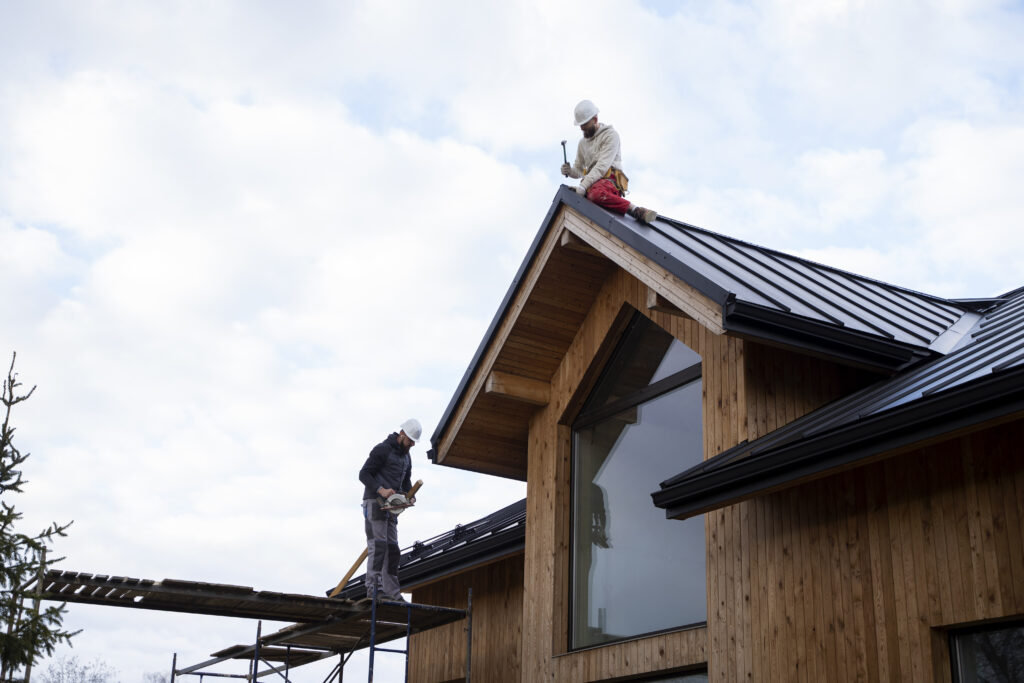
What Does Roof Replacement Include?
A roof replacement includes all interconnected layers that function together as a single protective system, not just surface materials. It involves replacing or inspecting all layers that work together as a system. A standard roof replacement guide typically includes:
- Removal of existing shingles or roofing material
- Inspection of roof decking for rot or structural damage
- Installation of underlayment for moisture protection
- Replacement of flashing around chimneys, vents, and valleys
- Installation of new roofing material (such as asphalt shingles, metal panels, or tiles)
- Ridge caps, ventilation components, and sealing details
What should be included depends on the roof condition, material type, and local building requirements. In Texas, additional attention is often given to ventilation and heat resistance, as poor airflow can shorten roof lifespan and increase indoor temperatures.
What Should Be Included in a Proper Roof Replacement?
A proper roof replacement corrects structural weaknesses, meets current building codes, and restores long-term system performance rather than masking existing problems. A proper roof replacement guide must also comply with Texas building codes, which regulate material standards, installation methods, and storm-resistance requirements. A well-executed replacement accounts for:
- Water drainage paths
- Expansion and contraction from heat
- Storm resistance
- Compatibility between materials
Skipping these elements may lead to premature failure, even if the roof looks new on the surface.
Roof Replacement vs. Reroofing
Roof replacement rebuilds the entire roofing system, while reroofing adds a new surface layer without addressing underlying components.
- Roof replacement involves removing the existing roofing material and addressing the full roofing system.
- Reroofing typically means installing new shingles over an existing layer without removing it.
Reroofing may be quicker and less disruptive, but it is only suitable when the underlying roof structure is in good condition, and local codes allow it. In many Texas cities, reroofing is limited by building regulations, especially in areas prone to severe storms.
Full vs. Partial Roof Replacement
The choice between full and partial roof replacement depends on damage distribution, material aging consistency, and long-term performance goals. A full roof replacement replaces the entire roofing system, ensuring uniform performance and lifespan across the roof. This is the most common approach when a roof reaches the end of its expected life or shows widespread wear.
A partial roof replacement addresses only specific sections of a roof. While it may be appropriate after localized storm damage, it can create inconsistencies in appearance, durability, and aging. In hot climates like Texas, mixing old and new roofing materials can lead to uneven heat absorption and accelerated wear.
Why Roof Replacement Is Considered a System Upgrade
Roof replacement is a system-level upgrade because all roofing layers must function together to manage heat, moisture, and structural stress. Learn more about the benefits of a complete roof replacement. Replacing only the visible layer without addressing supporting components often results in reduced lifespan and repeated repairs.
Understanding the roof replacement guide as a system rather than a single material helps homeowners make informed decisions about durability, safety, and long-term value.
Roof Lifespan & Durability: How Long a Roof Really Lasts in Texas
A roof reaches the end of its lifespan not when it looks old, but when it can no longer function as a complete protective system. Lifespan failure occurs when the roof can no longer regulate heat, control moisture, and withstand structural movement at the same time.
In Texas, residential roofing systems typically last 15 to 30 years, but this range is not determined solely by material age. Extreme heat, UV exposure, storm activity, and installation quality play a greater role than the calendar. See detailed breakdown on roof lifespan in Texas.
The Three Forces That Control Roof Lifespan
Roof lifespan is defined by how well the system manages three continuous stresses:
Heat Exposure
Prolonged UV radiation and high surface temperatures accelerate material degradation. Shingles lose flexibility, sealants dry out, and protective coatings break down faster in Texas heat.
Moisture Management
A roof fails internally long before water appears inside the home. Poor drainage, trapped humidity, or underlayment failure leads to rot, mold, and decking deterioration—even when the surface appears intact.
Structural Movement
Thermal expansion, contraction, and wind uplift gradually weaken fasteners, seams, and flashing. Over time, this movement reduces the roof’s ability to remain watertight and secure.
If a roofing system cannot withstand all three forces simultaneously, its functional lifespan shortens—regardless of its material rating or manufacturer claims.
Why Roofs of the Same Age Fail at Different Times
Two roofs installed in the same year can fail years apart. Lifespan differences are caused by:
- Ventilation quality
- Installation accuracy
- Storm exposure history
- Maintenance consistency
A poorly ventilated roof may fail early, while an older, properly designed system can continue performing reliably.
When Lifespan Ends – Even Without Leaks
A roof can reach the end of its lifespan before leaks appear. Leaks indicate late-stage failure, not early deterioration.
Common indicators of lifespan exhaustion include:
- Loss of granules or protective coatings
- Brittle, curling, or cracking materials
- Increasing frequency of repairs
- Uneven thermal performance inside the home
At this stage, repairs no longer restore long-term system integrity.
Roof Lifespan Is a Performance Threshold, Not an Age Limit
Roof lifespan should be evaluated based on system performance, not appearance or age alone. Replacing a roof before complete failure prevents structural damage, reduces emergency repair risk, and protects insulation, framing, and interior finishes.
When a Roof Needs Replacement: Key Signs and Timing Indicators
A roof needs replacement when system-wide degradation prevents reliable performance, even if no active leaks are present. Many roofs reach the replacement stage while still appearing intact from the ground.
In climates like Texas, roofs often require replacement earlier than expected due to heat stress, hail impact, wind uplift, and rapid aging of protective layers, which frequently necessitate storm damage restoration services.
Signs You Need a New Roof
The most common signs a roof needs replacement are system-wide, not isolated. These include widespread material wear, loss of protective granules or coatings, recurring repairs, and visible aging across large sections of the roof. When damage appears consistently rather than in one small area, it indicates the roofing system is nearing the end of its service life.
Structural indicators such as sagging roof lines or soft decking beneath shingles also signal that the roof can no longer be reliably repaired. Review roof warning signs every homeowner should know.
How to Tell If a Roof Needs Replacing
A roof needs replacing when repairs no longer restore long-term performance. If problems return shortly after fixes, the underlying materials are likely deteriorating. Cracked, curled, or brittle roofing materials suggest heat-related breakdown, while lifted or missing components point to wind fatigue.
Interior signs, such as unexplained temperature fluctuations or moisture staining, often appear after external wear has already compromised the system conditions that may require emergency roof repair services to prevent further damage. Delaying replacement often results in interior moisture damage and structural decay. Understand why delays can cost you more.
When Should a Roof Be Replaced?
A roof should be replaced when its remaining lifespan is shorter than the cost-effective repair window. This typically occurs when the roof approaches the end of its expected service range or has sustained repeated storm damage. Replacement becomes the safer option when continued repairs increase the risk of interior damage or structural compromise. Timing is especially important in Texas, where seasonal storms can quickly turn minor weaknesses into major failures.
Should a Roof Be Replaced If It’s Not Leaking?
A roof can require replacement even without leaks because leaks indicate late-stage failure, not early system breakdown. By the time water enters the home, underlying materials such as decking and insulation may already be damaged.
Replacing a roof before leaks occur helps prevent hidden deterioration and reduces the likelihood of emergency repairs during severe weather events. Learn about interior damage caused by roof failure.
What Is Considered Old for a Roof?
A roof is considered old when it has reached or exceeded its expected service life, regardless of appearance. Aging roofs lose flexibility, weather resistance, and fastening strength over time. In Texas conditions, prolonged heat exposure accelerates aging, making roofs functionally old sooner than their calendar age suggests.
Age combined with visible wear or performance issues is a strong indicator that replacement should be evaluated.
How Often Should a Roof Be Replaced?
There is no fixed schedule for full roof replacement guide. Instead, replacement frequency depends on material type, climate exposure, and maintenance history. Roofs exposed to intense heat, frequent storms, or inadequate ventilation often require replacement more frequently than those in milder environments.
Regular Roof inspections help determine whether a roof is approaching replacement age before failure occurs.
Replacement Is a Preventive Decision, Not a Reaction
The roof replacement guide is most effective when treated as a preventive measure, not a reaction to visible damage. Waiting for obvious failure increases the risk of secondary damage to ceilings, walls, insulation, and structural framing. Understanding the signs and timing indicators allows homeowners to replace a roof under controlled conditions rather than in response to emergencies.
Roof Replacement Cost Overview
Roof replacement cost in Texas is driven primarily by roof size, material type, labor complexity, and tear-off requirements rather than location alone. Roof replacement costs vary widely depending on material type, roof size, labor rates, and regional conditions, but having a realistic price range helps plan for both immediate needs and long-term home investment. See roof replacement expectations for homeowners.
Factors That Affect the Cost of a New Roof
- Roof Size and Complexity – Larger roofs or roofs with steep slopes require more materials and labor, driving up cost.
- Material Type – Asphalt shingles are the most affordable, while metal, slate, and tile roofs are significantly more expensive.
- Labor Costs – Skilled roofers in Texas typically charge per square (100 sq. ft.) or by the hour. Labor costs fluctuate by city and season.
- Tear-Offs and Disposal – Removing the old roof adds labor and disposal fees. Multiple layers of shingles increase this cost.
- Permits and Inspections – Some Texas cities require permits for replacement, which adds a small but necessary expense.
Cost per Square Foot and Typical Price Ranges
- Asphalt Shingles: $3.50–$5.50 per square foot
- Metal Roofing: $7–$12 per square foot
- Tile Roofing: $10–$20 per square foot
- Slate Roofing: $15–$25 per square foot
These per-square estimates include both materials and installation, giving homeowners a realistic understanding of total project costs. Material choice significantly impacts long-term value. Compare the best roofing materials for Texas homes.
Full vs. Partial Roof Replacement Costs
Replacing an entire roof is usually more cost-effective than patching or partial replacements when the existing roof is nearing the end of its lifespan. Partial replacements may save money upfront, but can lead to higher maintenance and repair costs in the long run. Homeowners should weigh immediate cost vs. long-term durability when deciding.
Budgeting and Financial Planning for a New Roof
Texas homeowners can plan for a roof replacement guide by setting aside funds in advance or exploring financing options. Some homeowners’ insurance policies may cover part of the replacement due to storm damage, while federal or state incentives may also apply for energy-efficient materials. A detailed cost breakdown and multiple contractor quotes can ensure homeowners avoid unexpected expenses.
Key Takeaway
The cost of a new roof in Texas depends on materials, labor, home size, and local regulations. Understanding these factors allows homeowners to budget accurately and make informed replacement decisions, ensuring long-term protection for their property.
Roof Replacement Cost by Home Size
The size of your home is one of the most significant factors influencing roof replacement costs in Texas. Roofing materials, labor, and installation time all scale with the square footage of your roof, making it essential to understand how costs vary by home size.
Typical Costs Based on Roof Square Footage
- 2,000 sq. ft. homes – For an average Texas home with 2,000 square feet, a roof replacement typically costs between $8,000 and $12,000, depending on the choice of materials and complexity of the roof design. Asphalt shingles are the most common and affordable option for this size.
- 3,000 sq. ft. homes – Larger homes around 3,000 square feet usually incur roof replacement costs ranging from $12,000 to $18,000. This range can increase significantly if higher-end materials like metal, tile, or slate are chosen.
- Smaller or Custom Homes – Homes under 1,500 sq. ft. often see costs from $5,000 to $8,000, while luxury or custom homes with more than 4,000 sq. ft. may exceed $25,000, especially if architectural shingles, steep pitches, or multiple roof planes are involved.
Cost per Square Foot
Roof replacement costs are often calculated per square foot for easier comparison:
- Asphalt Shingles: $3.50–$5.50 per sq. ft.
- Metal Roofing: $7–$12 per sq. ft.
- Tile Roofing: $10–$20 per sq. ft.
- Slate Roofing: $15–$25 per sq. ft.
Why Size Matters
- Material Quantity: More square footage requires more shingles, underlayment, flashing, and other roofing materials.
- Labor Requirements: Larger roofs take more time and manpower, increasing labor costs.
- Structural Complexity: Multi-level homes or roofs with steep pitches add installation difficulty, further affecting price.
Key Takeaway
Understanding roof replacement cost by home size helps Texas homeowners budget accurately. Whether you own a modest 2,000 sq. ft. house or a sprawling 3,000 sq. ft. property, factoring in size ensures realistic expectations and helps avoid unexpected expenses during roof replacement.
Roof Replacement Cost by Material
The type of roofing material you choose significantly affects the cost, durability, and suitability of your roof in Texas. Each material has its price range, lifespan, and climate performance, making it critical to select one that fits both your budget and local weather conditions.
Asphalt Shingles
- Cost: $3.50–$5.50 per sq. ft. installed
- Asphalt shingles are the most common and affordable roofing material in Texas.
- Advantages: Easy installation, wide color options, suitable for most homes.
- Lifespan: 20–30 years, depending on quality and maintenance.
- Consideration: May not perform as well in extreme heat without proper ventilation.
Metal Roofing
- Cost: $7–$12 per sq. ft. installed
- Metal roofs are becoming increasingly popular in Texas due to their durability and energy efficiency.
- Advantages: Long lifespan (40–70 years), resistant to wind and hail, reflects heat to lower cooling costs.
- Consideration: Higher upfront cost, but can save on energy and maintenance in the long term.
Fiberglass-Based Asphalt Shingles
Fiberglass shingles are a subtype of asphalt shingles, not a separate roofing system.
- Cost: $5–$10 per sq. ft. installed
- Fiberglass shingles are lighter and fire-resistant.
- Disadvantages: Less durable than asphalt or metal, prone to cracking in extreme heat or hail-heavy areas.
- Best Use: Limited areas or secondary structures rather than full-scale residential roofing.
Other Materials for Texas Homes
- Tile Roofing: $10–$20 per sq. ft. – excellent for hot climates, durable but heavy and costly.
- Slate Roofing: $15–$25 per sq. ft. – premium, long-lasting, but requires reinforced structures.
Choosing the Best Material for a Hot Climate
For Texas homeowners, heat resistance and energy efficiency are key. Metal and tile roofs are top choices for enduring the hot sun, while asphalt shingles with reflective coatings can also perform well. Fiberglass roofs are generally not recommended for long-term durability in extreme heat, though they may be used in specific scenarios.
Key Takeaway
Selecting the right roofing material balances cost, climate suitability, and longevity. Asphalt shingles are cost-effective, metal offers durability and energy savings, and tile provides heat resistance. Fiberglass is less ideal for Texas heat but may suit certain low-impact applications. Understanding these material costs ensures informed decisions and long-term value for homeowners.
Labor, Tear-Off & Hidden Costs
When planning a roof replacement in Texas, the total cost is more than just materials. Labor, tear-off, and additional “hidden” expenses often make up a significant portion of your budget. Understanding these factors helps homeowners avoid surprises and make better financial decisions.
Labor Costs
- Roofing labor is one of the largest components of total roof replacement expenses.
- Average Rates in Texas: Roofers typically charge $100–$150 per square (100 sq. ft.) for standard installation, though rates vary by city and complexity.
- Factors influencing labor costs: roof pitch, roof complexity, and accessibility.
- Multi-story homes or steep-pitched roofs require more time and specialized equipment, raising labor costs.
Tear-Off Costs
- Tear-off refers to removing the old roofing material before installing the new roof.
- Average Texas Costs: $1–$3 per sq. ft., or $100–$300 per square.
- Roofs with multiple layers or significant damage increase tear-off complexity and cost.
- Proper tear-off is critical for ensuring a long-lasting new roof and preventing future leaks.
Hidden Costs and Permits
- Roofing Permits in Texas: Most municipalities require a permit, typically costing $100–$400, depending on location and roof size.
- Disposal Fees: Old shingles and debris must be hauled away, often $50–$100 per ton.
- Structural Repairs: Unexpected issues like rotten decking or water damage may require additional materials and labor. Avoid mistakes with the top roof replacement mistakes to avoid.
- Insurance Adjustments: Some insurance policies may cover part of these costs if the roof replacement is due to storm damage.
Most Expensive Part of Replacing a Roof
While material choice matters, labor and tear-off often account for the majority of roofing expenses, especially for larger homes or complex roof designs. Homeowners should always budget at least 20–30% extra for unexpected costs and contingencies.
Key Takeaway
For Texas homeowners, the full cost of roof replacement includes materials, labor, tear-off, permits, and hidden expenses. Understanding each component helps ensure accurate budgeting, reduces financial surprises, and guarantees a smoother roof replacement process.
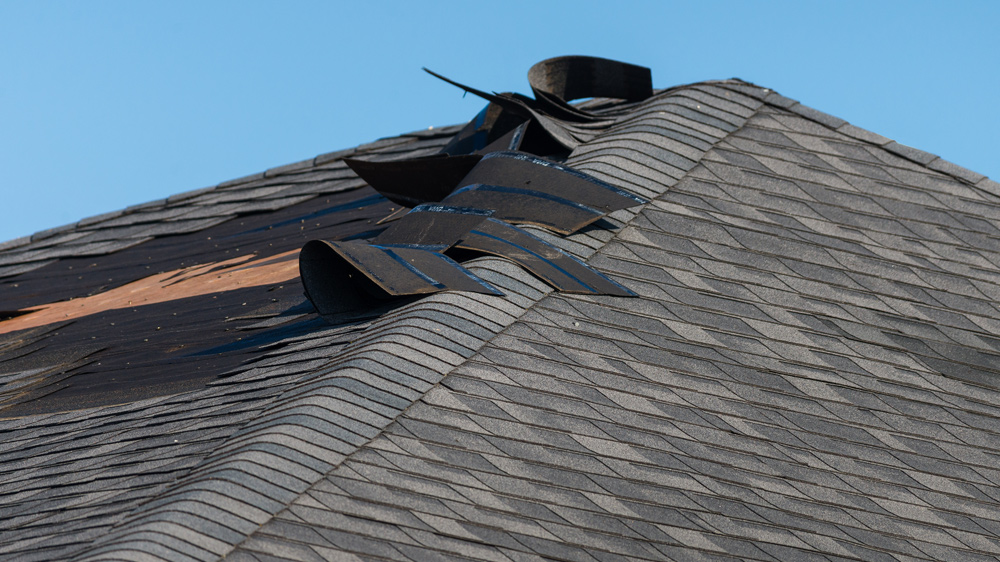
Roof Replacement Process: What Texas Homeowners Can Expect
The roof replacement guide process follows a controlled sequence designed to remove failure points and rebuild system integrity. Replacing a roof is a major home improvement project, and understanding the process helps homeowners prepare both financially and logistically. Full breakdown of roof replacement process from planning to completion, knowing how a roof is replaced ensures a smoother experience with fewer surprises.
Step 1: Preparation and Planning
Before any shingles are lifted, Professional roofers assess roof condition before work begins. Prepare properly using roof replacement preparation tips. This includes:
- Inspecting the current roof condition for damage or structural issues.
- Measuring the roof to determine material requirements.
- Confirming permits and scheduling insurance inspections if applicable.
Step 2: Tear-Off of Old Shingles
- Roofers remove old shingles and underlayment.
- Any damaged decking or structural components are repaired or replaced.
- Debris is collected and hauled away, either by the roofing company or a rented dumpster.
This step can take 1–2 days, depending on roof size and complexity.
Step 3: Installation of New Roof Materials
The roof replacement progresses with:
- Underlayment Installation: Provides a waterproof barrier between shingles and decking.
- Flashing Installation: Protects edges, valleys, and chimneys from water penetration.
- Shingle or Material Placement: Asphalt, metal, or other roofing materials are applied following manufacturer guidelines.
- Ridge Caps & Venting: Ensures proper airflow and a finished look.
Timeframe: Most standard homes can have the new roof installed in 1–3 days, while larger or multi-story homes may take longer.
Step 4: Inspection and Cleanup
- Roofers perform a final inspection to ensure proper installation and adherence to safety standards.
- Nails, debris, and leftover materials are removed.
- Homeowners may receive warranty information and maintenance tips.
Step 5: Post-Replacement Considerations
- Check for leaks or damaged areas after the first rain.
- Schedule routine maintenance to extend the roof’s lifespan.
- Keep the roofing contractor’s contact handy for future repairs or inspections.
Key Takeaway
For Texas homeowners, the roof replacement process is methodical and typically completed within a few days for standard homes. Understanding each step—from tear-off to final inspection—helps homeowners prepare, stay safe, and ensure the new roof delivers long-lasting protection.
Seasonal & Climate Considerations for Roof Replacement in Texas
Replacing a roof in Texas requires careful attention to seasonal and climate factors. The state’s hot summers, occasional winter chills, and sporadic rainstorms can all impact both the installation process and the longevity of your roof. Learn how the weather affects roofing materials.
Best Time of Year to Replace a Roof
- Spring and Fall: These seasons are often ideal for roof replacement in Texas due to moderate temperatures and lower rainfall, reducing stress on roofing materials during installation.
- Summer: High Texas heat can make roofing work more challenging, affecting both installers and materials. Asphalt shingles, for instance, may become more pliable and prone to damage if not handled carefully.
- Winter: While roofing can still be completed in winter, it’s often cheaper due to off-season rates. However, ice, rain, or unexpected freezes can delay work or affect material adhesion.
Weather Restrictions: Rain and Extreme Heat
- Rain: Roofs should not be replaced during rainfall, as water can compromise underlayment installation and cause moisture issues.
- Heat: Texas summers can exceed 100°F, accelerating shingle softening and potential installation errors. Roofing contractors may schedule early morning or late afternoon work to avoid peak temperatures.
Impact of Texas Climate on Roof Lifespan
- Sun Exposure: Prolonged exposure to UV rays can reduce shingle lifespan, especially for asphalt roofs. Consider reflective or heat-resistant materials for longevity.
- Temperature Swings: Large day-to-night temperature changes can lead to expansion and contraction, stressing roofing materials over time.
- Humidity & Storms: Occasional heavy storms or hail can cause physical damage, emphasizing the importance of timely inspections and maintenance. According to Texas hail frequency reports, the state experiences some of the highest hail-related property damage rates in the U.S.
Cost Implications of Seasonal Timing
- Some homeowners find that winter replacements may cost less, but scheduling flexibility and contractor availability must be considered.
- Spring and fall replacements often balance cost efficiency with optimal installation conditions, ensuring both safety and material performance.
Key Takeaway
For Texas homeowners, timing a roof replacement involves balancing weather conditions, contractor availability, and material performance. Choosing the right season can enhance durability, reduce costs, and prevent installation issues caused by extreme heat or unexpected rain.
Roof Replacement vs Repair: Making the Right Choice for Your Texas Home
Deciding whether to repair or replace your roof is one of the most critical decisions a homeowner in Texas can make. Understanding the differences, costs, and long-term implications can save both money and future headaches.
When Roof Repair Makes Sense
- Minor Damage: Small leaks, missing shingles, or isolated damage can often be addressed with targeted repairs.
- Cost-Effective: Roof repairs are generally less expensive than full replacements, making them suitable for short-term fixes or when the roof is still structurally sound.
- Extends Lifespan: Timely repairs can prolong the life of a roof, especially if it’s less than 15 years old or still within its expected lifespan.
When Roof Replacement is Necessary
- Age of Roof: If a roof is 20 years or older (depending on material), replacement is usually more practical than continuous repairs.
- Widespread Damage: Extensive wear, multiple leaks, or storm damage often means replacement is more cost-effective in the long run.
- Structural Concerns: Sagging decking, rot, or compromised underlayment requires a full replacement to ensure safety and prevent further damage.
Cost Comparison: Repair vs Replacement
- Roof Repair Costs: In Texas, minor repairs can range from $150 to $1,500, depending on the extent of damage.
- Roof Replacement Costs: Full replacement for an average-sized home can range from $8,000 to $20,000, depending on size, material, and labor.
- Value Consideration: While repairs are cheaper upfront, repeated patching on an aging roof can exceed the cost of a full replacement over time.
Key Considerations for Decision-Making
- Frequency of Repairs: Multiple repairs in a short period indicate that replacement might be more cost-effective.
- Material Type: Some roofing materials, like metal or tile, are more durable and may allow for repairs longer than asphalt shingles.
- Home Insurance Coverage: Check if repairs or replacement are covered under your homeowners insurance policy, especially after storm damage.
Takeaway
For Texas homeowners, the decision to repair or replace a roof depends on age, damage severity, material, and long-term cost considerations. Repairs can be a temporary solution, but replacement ensures structural safety, energy efficiency, and peace of mind for years to come.
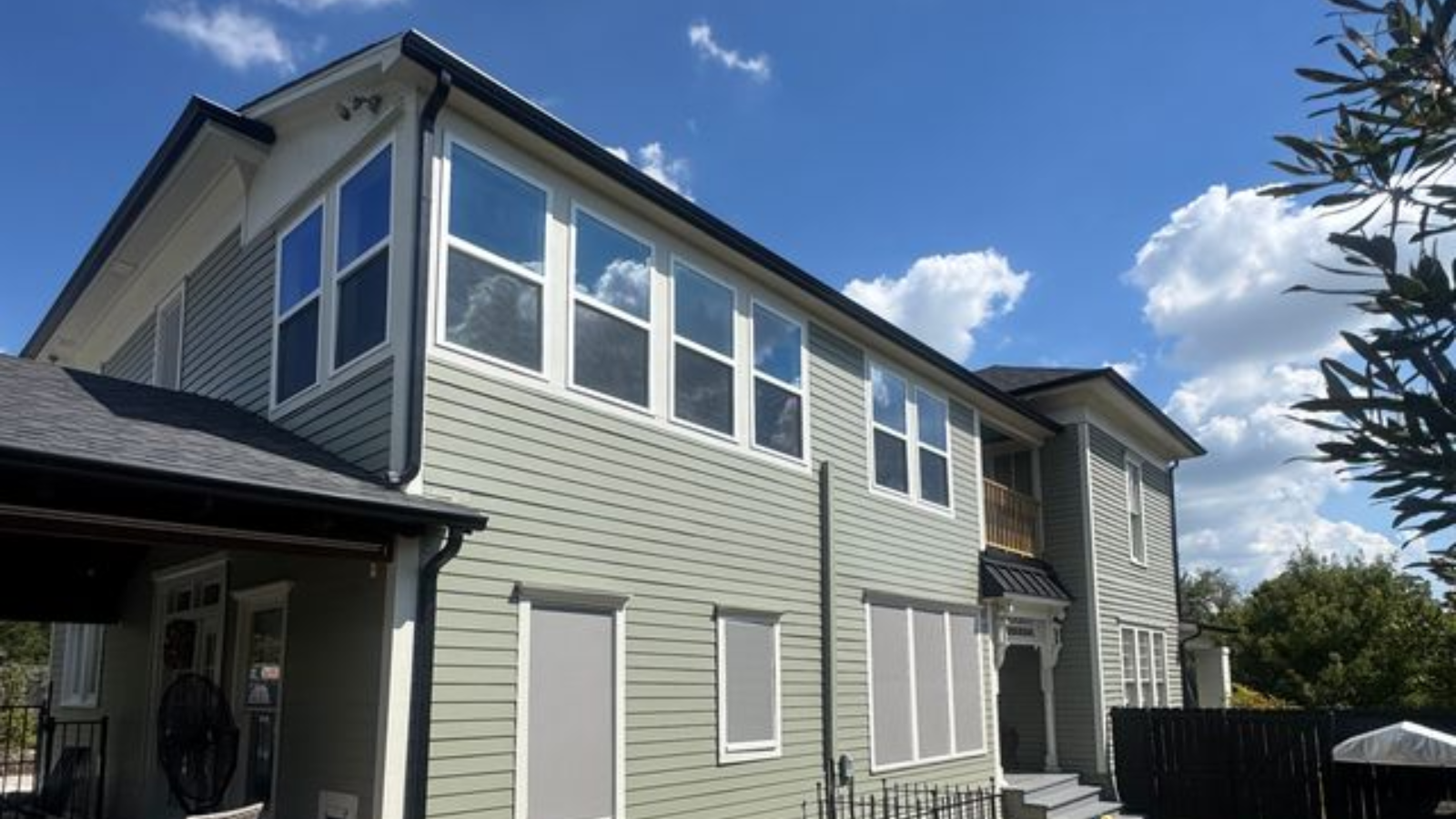
DIY Roof Replacement vs Hiring a Professional: Weighing Risks and Expertise for Texas Homes
When it comes to roof replacement, Texas homeowners face a critical choice: attempt a DIY roof replacement or hire a professional roofing contractor. Each option comes with unique risks, costs, and benefits. Mistakes can void warranties and cause leaks. Compare risks in DIY vs professional roofing solutions. Understanding these factors can help you make a safe and cost-effective decision.
DIY Roof Replacement: What You Need to Know
- Feasibility: While some homeowners consider replacing a roof themselves, it is highly labor-intensive and requires specialized tools and safety equipment.
- Safety Concerns: Climbing and working on a roof can be dangerous, especially in Texas with high summer heat or unpredictable weather. Injuries are a real risk.
- Skill Requirements: Properly installing shingles, underlayment, flashing, and ventilation requires technical expertise. Mistakes can lead to leaks, structural damage, or voided warranties.
- Cost Savings vs Risks: DIY can save on labor costs, but material mistakes or accidents can end up costing far more than hiring a professional.
Hiring a Professional Roofer
- Experience & Expertise: Licensed roofing contractors bring years of experience, knowledge of local building codes, and familiarity with Texas weather conditions.
- Efficiency: Professionals can complete projects faster and more reliably, often finishing in a few days versus weeks for DIY attempts.
- Quality Assurance: Roofing companies offer warranties on materials and labor, providing peace of mind against future leaks or defects.
- Insurance & Liability: Professional contractors carry liability insurance, protecting homeowners from accidents or property damage during the replacement process.
How to Find and Choose a Good Roofing Contractor
- Check Licensing and Insurance: Ensure the roofer is licensed in Texas and carries proper liability and workers’ compensation insurance.
- Read Reviews and References: Look for verified customer reviews and ask for references from completed projects.
- Get Multiple Quotes: Compare estimates for cost, materials, and timelines to make an informed decision.
- Ask About Warranties: Confirm coverage on both materials and workmanship before hiring.
- Evaluate Communication: Choose a contractor who communicates clearly and responds promptly.
Key Takeaway
While DIY roof replacement may seem appealing for short-term cost savings, the safety risks, technical complexity, and potential long-term costs often outweigh the benefits. Hiring a qualified Texas roofing professional ensures a safe, durable, and properly installed roof, giving homeowners peace of mind and protecting their investment.
Insurance & Roof Replacement: What Texas Homeowners Need to Know
Homeowners insurance typically covers roof replacement only when damage is caused by a covered event, not age-related deterioration. Understanding how homeowners’ insurance interacts with roof replacement is crucial for Texas homeowners. Insurance policies can significantly offset the cost of a new roof, but coverage depends on the roof’s age, type of damage, and policy terms. Check insurance inspection requirements.
When Homeowners Insurance Covers Roof Replacement
- Damage-Driven Claims: Most insurance policies cover roof replacement only when damage is caused by a covered peril, such as hail, windstorms, fire, or falling objects.
- Exclusions: Wear-and-tear, neglect, or roof age-related deterioration typically aren’t covered under standard policies.
Impact of Roof Age on Insurance Claims
- Age Limits: Insurance companies often consider a roof “too old” for full replacement coverage if it exceeds a certain age, usually 20–25 years for asphalt shingles, though this varies by insurer.
- Depreciation: Older roofs may be reimbursed at actual cash value rather than replacement cost, reducing the payout significantly.
- Insurance Rates: A roof’s age can affect premium rates, with older or damaged roofs potentially increasing homeowner insurance costs.
Frequency of Insurance Roof Payouts
- Policies generally don’t allow repeated claims for normal wear, but new damage from storms or accidents may qualify for multiple claims over the roof’s lifetime.
- Homeowners should document roof condition regularly to support future claims and prevent disputes with insurance adjusters.
How Much Insurance Typically Pays for a Roof
- Coverage amounts depend on the policy limits, roof type, and deductible.
- For storm damage in Texas, insurance often covers partial or full replacement costs, minus the deductible.
- Understanding the difference between actual cash value (ACV) and replacement cost value (RCV) is key to estimating potential reimbursement.
Tips for Maximizing Roof Replacement Coverage
- Review Your Policy: Check coverage limits, exclusions, and the roof age threshold for claims.
- Schedule Inspections: Regular roof inspections can document damage and roof condition for future claims.
- File Promptly: Report damage quickly to meet insurer timelines and improve claim approval chances.
- Work with Professionals: Licensed roofing contractors can provide estimates and evidence to support your insurance claim.
Key Takeaway
For Texas homeowners, insurance can be a valuable tool to offset roof replacement costs, but coverage is largely damage-specific and influenced by roof age. Being informed about your policy, documenting your roof’s condition, and acting promptly after damage can maximize your benefits and minimize out-of-pocket expenses. Understanding the difference between actual cash value (ACV) and replacement cost value (RCV) is key to estimating potential reimbursement.
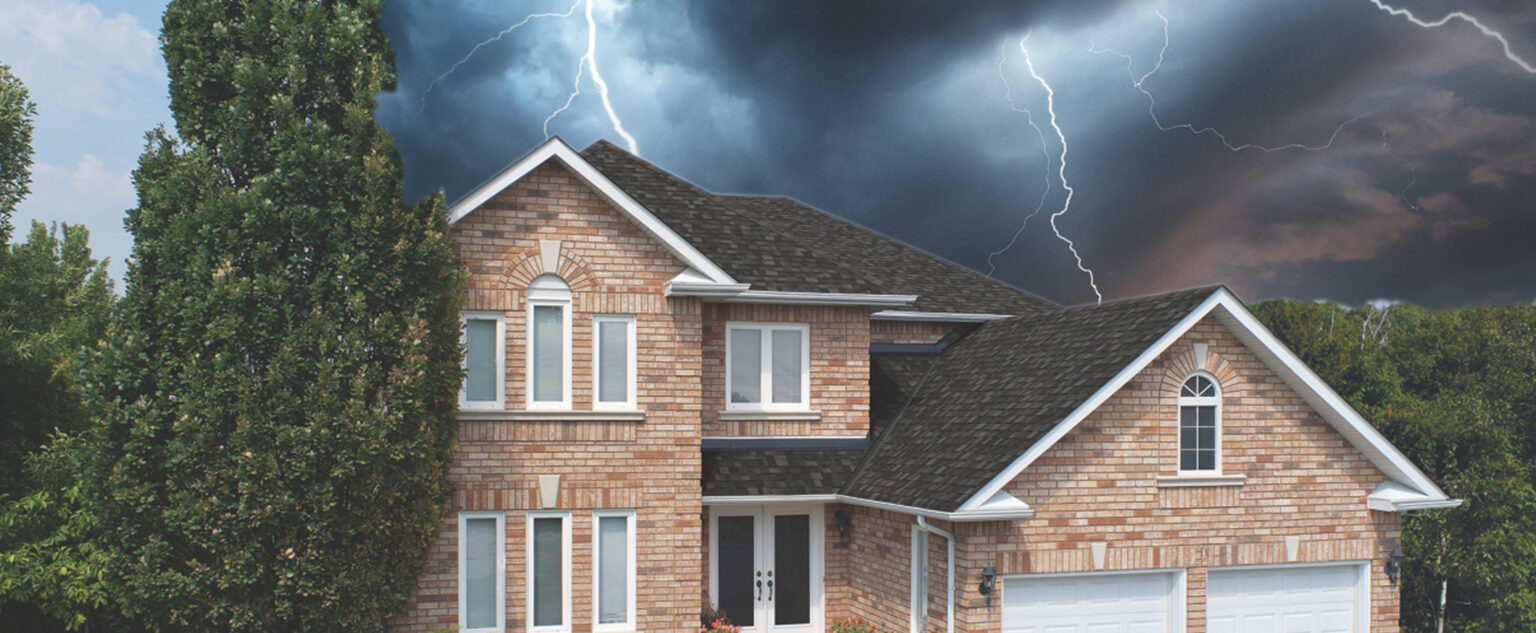
Taxes, Credits & Financial Classification: Roof Replacement Considerations for Texas Homeowners
Roof replacement isn’t just a physical and financial undertaking; it can also have tax and accounting implications. Understand roof warranty and financial considerations, Also Understanding how the IRS views roof upgrades and replacements helps Texas homeowners plan expenses strategically.
Is Roof Replacement Tax Deductible?
- General Rule: Most residential full roof replacement guide aren’t directly tax-deductible as an ordinary expense.
- Exceptions: Roof replacements may qualify for deductions if the home is used for rental or business purposes, or if the replacement is part of medical-related home improvements.
- Documentation: Keeping detailed invoices and contractor receipts is essential for claiming any eligible deductions.
Roof Replacement as a Capital Improvement
- Definition: A capital improvement is an upgrade that adds value, prolongs life, or adapts a property for new uses.
- Implications: Roof replacement is generally considered a capital improvement, meaning its cost isn’t deductible immediately. Instead, it can increase the home’s basis, which may reduce capital gains tax when the property is sold.
Tax Credits and Incentives
- Energy-Efficient Roofing: Certain roofing materials that improve energy efficiency (e.g., reflective or solar shingles) may qualify for federal or state tax credits. Homeowners can verify eligibility through official energy-efficient roofing tax credits guidelines.
- Local Programs: Texas homeowners should check for state or municipal incentives for eco-friendly or storm-resistant roofing upgrades.
Writing Off a New Roof on Taxes
- While you typically cannot write off a standard residential roof, you can:
- Include roof replacement in the home’s cost basis for future sale.
- Claim deductions if the roof is part of a home office or rental property expense.
- Apply for energy-efficiency tax credits if using qualified materials.
Key Takeaway
For Texas homeowners, roof replacement is mostly a capital investment rather than a deductible expense, but it can provide financial benefits when structured correctly. Understanding the distinction between deductible repairs, capital improvements, and tax credits ensures you maximize your investment while staying IRS-compliant.
Paying for a Roof Replacement: Financing Options for Texas Homeowners
Replacing a roof is a significant investment, and many Texas homeowners seek strategies to make it more affordable. Explore roof replacement financing expectations. Understanding financing options, payment plans, and available grants can help you plan effectively without compromising on quality.
How to Afford Replacing a Roof
- Budget Planning: Start by estimating the total cost, including materials, labor, tear-off, and permits. Knowing the full expense helps you plan your savings and financing needs.
- Prioritizing Needs: Evaluate whether a full replacement is necessary now or if partial repair can temporarily extend the roof’s life.
- Cost-Saving Strategies: Choosing durable yet affordable materials and timing the replacement during off-season months can reduce costs.
Monthly Payment Options
- Many roofing companies in Texas offer flexible monthly payment plans, allowing homeowners to spread out costs over several months.
- These plans often involve low-interest financing or zero-interest promotions for qualified applicants.
- Monthly payments can make a roof replacement manageable without tapping into emergency savings.
Roof Replacement Financing
- Home Equity Loans or Lines of Credit (HELOC): Using the equity in your home can provide access to larger funds at lower interest rates.
- Personal Loans: Unsecured loans can cover smaller projects but may come with higher interest rates.
- Credit Cards: For urgent replacements, some homeowners use credit cards with introductory zero-interest offers, though this is best for short-term repayment.
Government Roof Grants and Assistance Programs
- Texas homeowners may qualify for state or federal grants if the roof replacement addresses energy efficiency, disaster recovery, or low-income housing.
- Examples include:
- Federal Weatherization Assistance Program
- Local disaster relief or rehabilitation grants for storm-damaged homes
- Eligibility typically depends on income, location, or roof condition, so checking with local authorities or housing agencies is essential.
Key Takeaway
With careful planning and knowledge of financing, payment options, and available grants, Texas homeowners can replace their roofs without undue financial stress. Exploring all available avenues ensures you invest in a durable, long-lasting roof while keeping costs manageable.
Roof Replacement & Home Value: Maximizing Resale and Insurance Benefits in Texas
A roof is not just a protective layer over your home; it significantly impacts your property’s resale value, curb appeal, and insurance premiums. Learn the top benefits of roof replacement. Texas homeowners need to understand how roof condition affects selling potential and financial considerations.
Is a Bad Roof a Deal Breaker?
- A deteriorating roof can immediately reduce buyer interest and may even prevent offers from serious buyers.
- Visible issues like missing shingles, sagging, or water damage signal costly repairs ahead, which most buyers factor into their negotiations.
- Real estate agents often recommend replacing or repairing a roof before listing, especially if it’s older than 20 years.
Selling a Home with an Older Roof
- Homes with a roof nearing the end of its lifespan (around 20 years for asphalt shingles) can still sell, but buyers may request a discount or roof replacement allowance.
- Having a recently replaced roof can provide peace of mind to buyers, making your property more attractive and competitive in the Texas market.
- Disclosure laws require homeowners to report roof age and condition, so transparency is key.
Should You Replace Your Roof Before Selling?
- Replacing a roof before selling often increases the home’s resale value, sometimes recovering a majority of the investment through higher offers.
- A new roof also reduces inspection issues and prevents negotiations from falling through due to roofing concerns.
- For homes in Texas, where storms, heat, and hail are common, a new roof can reassure buyers about durability and protection.
Impact on Insurance and Ongoing Costs
- Installing a new roof can lower homeowners insurance premiums in many cases because insurers view it as a reduced risk of damage or claims.
- Insurance companies may offer discounts on new roofs, especially if impact-resistant materials are used.
- Maintaining a roof in good condition ensures ongoing coverage and can help prevent denied claims due to roof age or wear.
Key Takeaway
A well-maintained or newly replaced roof boosts home value, increases buyer confidence, and may lower insurance costs. For Texas homeowners considering a sale, investing in a quality roof replacement is a strategic financial decision with multiple benefits.
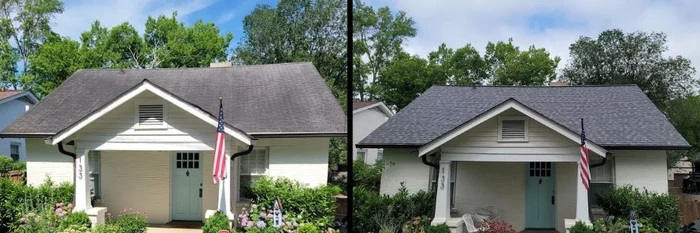
Risks of Delaying Roof Replacement: Why Waiting Can Be Costly for Texas Homeowners
Delaying a roof replacement may seem like a way to save money in the short term, but it can lead to serious structural, financial, and safety issues. Understand the long-term impact of storm damage. Understanding the consequences of postponing roof replacement helps Texas homeowners make informed decisions.
What Happens If You Never Replace Your Roof?
- A roof that is past its lifespan becomes prone to leaks, sagging, and even collapse.
- Continuous exposure to Texas weather extremes, from scorching heat to heavy rain and hail, accelerates deterioration.
- Ignoring roof replacement can cause hidden damage, including mold growth, rotting wood, and insulation problems, which increase repair costs dramatically.
How Long Before a Leak Causes Structural Damage?
- Even small leaks can quickly escalate into structural problems if left unaddressed.
- Water infiltration weakens the roof deck, attic framing, and ceiling structures, compromising the integrity of your home.
- In Texas, where heavy storms are common, a single unchecked leak during rain or hail events can damage multiple areas of the house, including walls and electrical systems.
Ceiling Leaks and Collapse Risks
- Prolonged ceiling leaks are a serious safety hazard, as water saturation can weaken plaster, drywall, and support beams.
- In extreme cases, ceilings may collapse without warning, posing a risk to residents and belongings.
- Early detection of leaks and timely roof replacement prevent these catastrophic outcomes and protect your investment.
Key Takeaway
Delaying roof replacement exposes Texas homeowners to increasing repair costs, safety hazards, and property damage. Acting promptly ensures your roof continues to protect your home, family, and finances effectively.
Frequently Asked Questions About Our Full Roof Replacement Guide in Texas
In Texas climates, most residential roofs function reliably for 15–25 years, depending on material, ventilation, and storm exposure. Asphalt shingles usually last around 20 years, while metal or tile roofs can last longer.
Insurance may cover roof damage caused by storms or accidents, but usually not replacement due to age or wear. Check your policy for coverage limits and deductibles.
Spring and fall are ideal due to moderate temperatures. Extreme heat in summer or storms in winter can slow installation or increase risk.
Costs vary by size, material, and labor, but a typical roof replacement ranges from $5,000 to $15,000 for an average single-family home. Custom materials or larger homes may cost more.
DIY roof replacement is possible but risky. It requires proper safety equipment, roofing expertise, and local permits. Hiring a licensed professional ensures quality, safety, and warranty compliance.
Depending on size and complexity, most residential roofs in Texas are replaced in 2–7 days. Larger or multi-story homes may take longer.
Final Thoughts
Roof replacement in Texas is a preventive, system-level investment that restores structural protection, heat control, storm resistance, and long-term property value in climate-stressed environments. Delaying roof replacement can lead to serious damage and higher expenses, while proactive maintenance and timely replacement provide peace of mind, improved energy efficiency, and increased home value.
Whether you choose to hire a professional or consider financing options, acting promptly is the key to a safe, durable, and long-lasting roof. For business properties, specialized commercial roofing services address unique structural and durability requirements.
3,000
COMPLETED PROJECTS
320
HAPPY CLIENTS
1,000
CUP OF COFFEE

