
Gold Key Roofing
Roof Leak Guide for Texas Homeowners: Save Your Home
Roof leaks are a serious concern for Texas homeowners, especially with extreme heat, storms, and aging roofing systems. At Gold Key Roofing, we help homeowners identify early leak warning signs, understand the most common causes, and choose the right repair solutions. This roof leak guide explains how to protect your home before small issues become costly structural damage.
What Is a Roof Leak?
A roof leak is the entry of water into a home caused by a failure in the roofing system, including damaged shingles, flashing, underlayment, or roof penetrations. Roof leaks allow moisture to travel through the roof structure and enter ceilings, walls, or attic spaces.
In Texas homes, roof leaks most commonly occur due to heavy rain, hailstorms, high winds, aging materials, and improper roof installation.
Signs Your Roof Is Leaking
Roof leaks are a common issue for homeowners across Texas, especially after heavy rain, hail storms, and high-wind events common in Texas. Detecting a leak early is crucial to preventing damage to your home’s structure and avoiding costly repairs. Understanding the signs of a leaky roof can save you time, money, and stress.
Key Takeaways:
- Roof leaks often appear first as ceiling stains or attic moisture
- Small leaks can exist long before visible water damage appears
- Early detection prevents structural damage and mold growth
How to Recognize a Roof Leak
If you notice water stains or wet spots on your ceilings, walls, or in your attic, these are often the first indicators that your roof may be leaking. Water can travel along beams and insulation before showing visibly, so even small spots should be taken seriously.
Key signs include:
- Water spots on ceilings or walls – These may appear as yellowish or brown stains and often expand over time.
- Dripping or pooling water – Active dripping inside your home indicates an urgent leak.
- Sagging or bulging ceilings – Water accumulation can cause structural stress, which could lead to a ceiling collapse if left untreated.
- Mold or mildew growth – Persistent moisture can create a breeding ground for mold, especially in attics or behind walls.
- Missing or damaged shingles – Though visible from outside, damaged shingles often cause leaks during rain
Is a roof leak normal during heavy rain?
A roof leak is not normal, even during heavy rain. Any water penetration indicates that the roof’s protective system has failed and requires inspection or repair.
How Serious Is a Roof Leak?
The seriousness depends on the location and size of the leak. A small leak may seem minor initially but can lead to:
- Water damage to ceilings, walls, and flooring
- Mold and mildew growth
- Compromised insulation efficiency
- Structural damage if left unrepaired
How Urgent Is a Leaky Roof?
A leaking roof should always be treated as an urgent matter. Some leaks require immediate attention, especially when water is actively dripping inside your home. Quick action can prevent more extensive repairs and preserve your home’s safety.
Questions to Ask Yourself:
- Is water actively dripping inside the home?
- Are there visible bulges or sagging areas in the ceiling?
- Are multiple areas showing water stains?
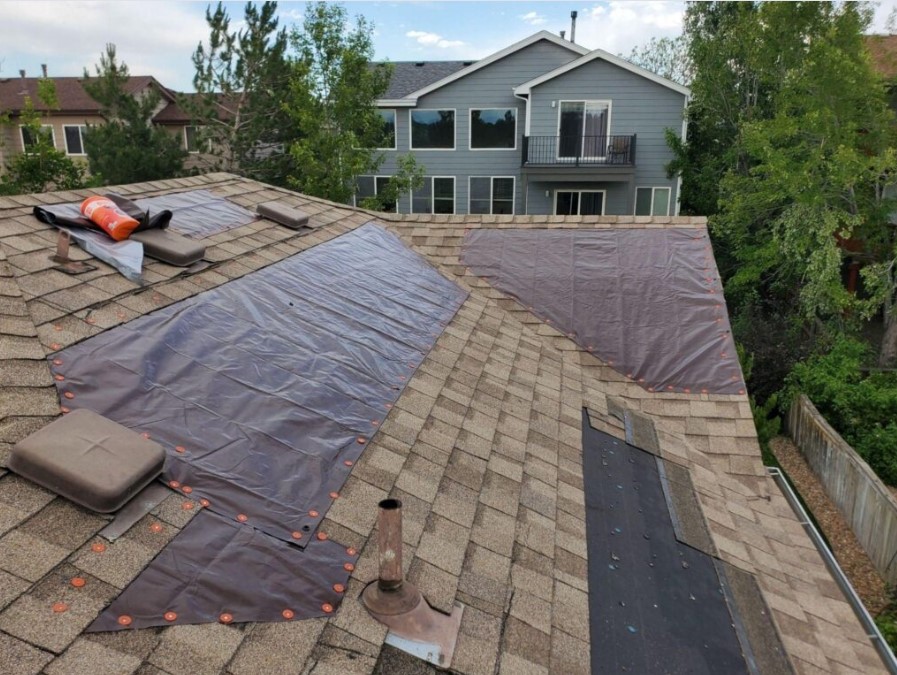
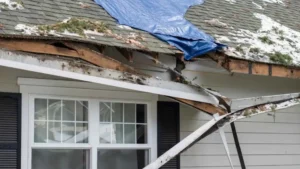
If the answer is yes to any of these, it’s time to take action immediately. Temporary fixes like tarping can reduce damage, but professional assessment and repair are recommended for a lasting solution.
Early Detection Tips
- Inspect your attic after storms for damp insulation or dripping water.
- Check ceilings and walls regularly for discoloration or swelling.
- Monitor roof conditions, especially after hail or high-wind storms common in Texas.
- Look for signs of mold or mildew in hidden areas such as attics or behind walls.
Inside the House
Water leaks inside the home are often the first clear sign of a roof problem. Ceiling leaks, attic moisture, and water stains can indicate that your roof’s protective layer has been compromised. Detecting these early can prevent extensive damage to your home’s structure and reduce repair costs.
What to do if water leaks through the ceiling
If you notice water dripping from the ceiling:
- Contain the water: Place buckets or containers under the leak to prevent floor damage.
- Protect your belongings: Move furniture, electronics, and other valuables away from the leak.
- Relieve pressure: If there is a bulge in the ceiling, gently poke a small hole in the center to allow water to drain safely into a container.
- Document for insurance: Take photos of the leak and any water damage for your records.
How to tell if your roof is leaking
Signs inside the house that suggest a roof leak include:
- Water stains on ceilings or walls, often brownish or yellow
- Damp or wet insulation in the attic
- Mold or mildew growth in corners or around attic vents
- Sagging or bulging ceilings
How long can a roof leak before damage occurs?
Even a small leak can start causing damage in a matter of weeks. Prolonged leaks can:
- Weaken ceiling and wall structures
- Promote mold and mildew growth
- Damage insulation and wiring
- Eventually lead to rot or structural failure
Prompt action is essential. Regularly inspect your attic and ceilings, especially after storms common High-wind zones in Texas, to catch leaks early.
Outside the House
Roof leaks often originate from external issues, such as damaged shingles, compromised flashing, or clogged gutters. Inspecting the roof from the outside is essential to identify the source before the leak worsens.
Where are the most common roof leaks?
- Around chimneys, vents, and skylights
- Valleys where two roof planes meet
- Roof edges and flashing points
- Areas with missing or damaged shingles
Signs of missing or damaged shingles
- Curling, cracking, or broken shingles
- Shingles missing granules or showing bare spots
- Visible wear from hail or storm damage
How to check roof for leaks
- Conduct a visual inspection from the ground or using binoculars for safety
- After a storm, look for damaged shingles, puddles, or loose flashing
- Check gutters for shingle granules or debris that may indicate a damaged roof
- Inspect areas prone to leaks, such as valleys and roof penetrations
Taking time to inspect both the interior and exterior of your home regularly ensures you catch roof problems early, minimizing costly repairs and protecting your Texas home from storm damage.
How to Find a Roof Leak
Finding a roof leak requires more than looking for where water appears inside the home. Water can travel along roof decking, rafters, and insulation before it becomes visible, which is why the source of a leak is often several feet away from the interior damage. Proper roof leak detection focuses on identifying where water enters the roof system, not just where it exits.
Key Takeaways:
- The visible leak location is often not the entry point
- Attic inspections provide the most accurate leak detection
- Flashing, vents, and valleys are common leak sources
How Do Roofers Find a Leak?
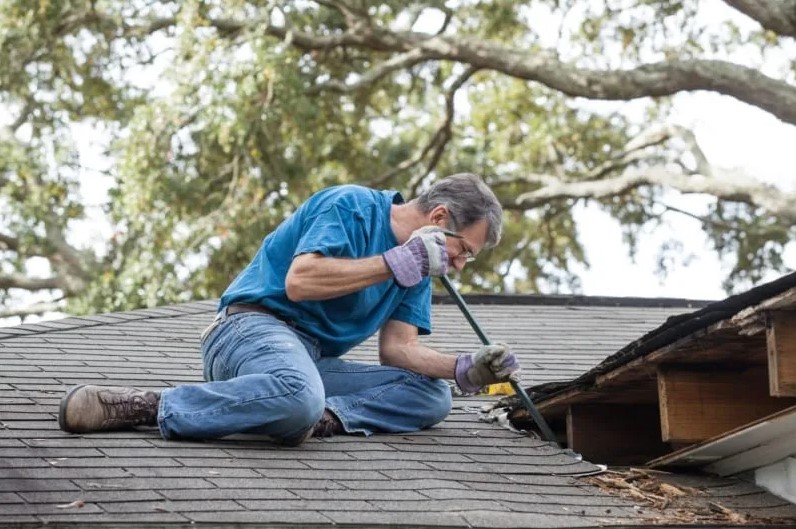
Roofers find a roof leak by following a systematic inspection process rather than guessing. They trace moisture patterns backward to locate the true entry point.
Roofers typically:
- Inspect the attic and underside of the roof for water stains or damp wood
- Follow moisture trails along rafters and insulation
- Examine flashing, vents, chimneys, skylights, and roof valleys
- Check roofing materials for cracks, lifted shingles, or seal failures
- Use controlled water testing during dry conditions to confirm the leak location
This approach allows roofers to locate leaks accurately, even when the damage inside the house appears far from the roof opening.
Using the Attic
The attic is often the most reliable place to find a roof leak because it exposes the underside of the roof structure.
Step 1: Inspect the Underside of the Roof from the Attic
- Look for dark water stains, mold, or rotting wood on roof decking
- Check insulation for damp or compressed areas
- Identify shiny or wet surfaces after rainfall
- Follow moisture stains upward, as water flows downward from the entry point
How to Find a Roof Leak with Attic Access
- Inspect the attic during daylight to spot sunlight coming through nail holes or damaged decking
- Pay close attention to areas around roof penetrations such as vents and chimneys
- Note any recurring moisture patterns after storms
Attic inspections help pinpoint roof leaks closer to their source rather than relying on interior ceiling damage alone.
Inspecting from Outside / Roof Top
When attic access is unavailable—such as in homes with vaulted ceilings—exterior inspection becomes essential.
Using Binoculars to Inspect the Roof from the Ground
- Scan for missing, cracked, curled, or lifted shingles
- Look for damaged or loose flashing around roof edges and penetrations
- Check roof valleys for debris buildup or worn materials
How to Find a Roof Leak Without an Attic
- Inspect the roof immediately after rainfall for darkened or wet areas
- Check gutters and downspouts for excessive shingle granules
- Look for uneven roof lines, sagging areas, or visible gaps
This method allows homeowners to safely check for roof leaks without climbing onto the roof.
Common Hard-to-Find Leak Locations
Many roof leaks originate in areas that are structurally vulnerable rather than in open roof surfaces.
Most Common Hidden Roof Leak Areas
- Pipe boots: Rubber seals deteriorate over time
- Skylights: Failed flashing or improper installation
- Chimneys: Cracked masonry or flashing separation
- Roof vents: Aging seals or loose fasteners
- Roof valleys: High water flow areas prone to wear and debris accumulation
How to Detect Leaks in Roof Flashing
- Look for rust, cracks, or lifted flashing edges
- Check for dried, cracked, or missing sealant
- Inspect joints where flashing meets roofing materials
How to Find Leaks Around Chimneys and Skylights
- Examine the flashing perimeter for gaps or corrosion
- Look for interior staining that appears after wind-driven rain
- Check for moisture patterns that worsen during storms
Because these areas handle heavy water flow and temperature changes, they are among the most common and difficult leak sources to identify.
Immediate Actions for Roof Leaks
When a roof begins leaking, especially during a storm, taking the right immediate actions can significantly reduce interior damage and safety risks. Roof leaks often worsen quickly during heavy rain, so temporary measures are essential until permanent repairs can be made.
Summary:
- Roof leaks during storms require immediate interior protection
- Temporary fixes reduce damage but do not stop the leak permanently
- Permanent repairs should be completed once weather conditions improve
What to Do If a Roof Leaks During a Storm
If your roof starts leaking during a storm:
- Act quickly to protect the interior of your home
- Focus on controlling water entry and spread rather than attempting permanent repairs
- Avoid climbing onto the roof while weather conditions are unsafe
Stopping water damage inside the home should always take priority over locating the exact leak source during active rainfall.
How Do You Stop a Leaking Roof During Heavy Rain?
During heavy rain, the goal is to slow or redirect water, not fully repair the roof. Effective immediate steps include:
- Placing buckets or containers beneath active drips
- Redirecting dripping water away from ceilings and walls
- Relieving pressure in bulging ceilings by allowing water to drain safely
- Using temporary coverings from the exterior only if conditions are safe
These actions help prevent ceiling collapse, mold growth, and damage to electrical systems.
Can You Fix a Leaking Roof Fast?
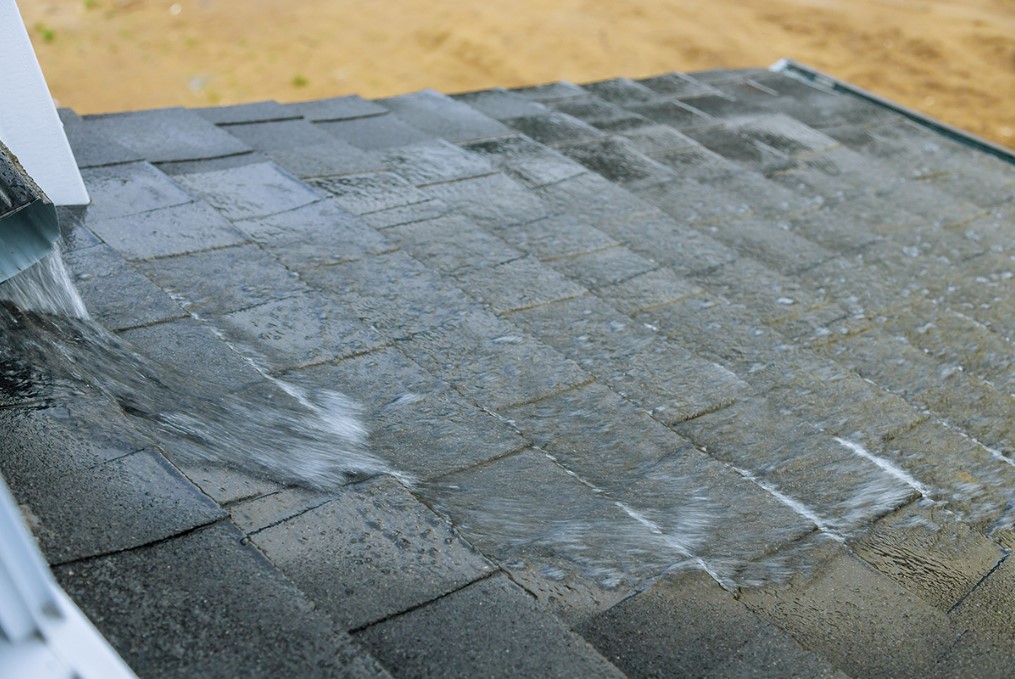
A roof leak cannot usually be permanently fixed during a storm, but it can be temporarily controlled. Fast temporary solutions are designed to minimize damage until proper repairs can be completed once conditions improve.
Temporary Roof Leak Fixes
Temporary roof leak fixes focus on containing water and blocking further intrusion.
Using Tarps, Plastic Sheets, and Sealants
- Cover the affected roof area with a heavy-duty tarp, extending beyond the leak source
- Secure tarps with boards or fasteners rather than nails when possible
- Use roofing sealants or waterproof tape on small, accessible cracks or seams
- Plastic sheeting can be used inside the attic to guide water into containers
Redirecting Water and Containing Leaks
- Place buckets, pans, or bins under active leaks
- Use towels or absorbent materials to soak up standing water
- Create a controlled drainage path so water does not spread across ceilings or walls
- Move furniture and electronics away from affected areas
These temporary measures are especially important during prolonged storms or when immediate roof access is not possible.
Safety Tips During Roof Leaks
Roof leaks often occur during dangerous weather conditions. Safety should always come first.
Avoid Risky Actions
- Do not climb onto the roof during rain, high winds, or lightning
- Avoid walking on wet shingles, which become extremely slippery
- Never attempt roof repairs at night or during poor visibility
Proper Ladder and Weather Considerations
- Use ladders only on stable, dry ground
- Ensure someone is present to assist if attic access is required
- Wait until weather conditions improve before inspecting the roof exterior
- Be cautious of electrical hazards caused by water near lighting or wiring
Taking a cautious, controlled approach reduces the risk of injury while preventing additional damage to your home.
How to Repair a Roof Leak
Repairing a roof leak depends on the roof type, leak location, and whether the damage can be accessed safely from the inside or outside. Some roof leaks can be handled with basic DIY methods, while others require exterior repairs to fully stop water intrusion.
Summary:
- Accurate leak source identification is critical for lasting repairs
- DIY repairs are suitable only for minor, accessible damage
- Structural or recurring leaks require professional repair
How to Fix a Leaking Roof
To fix a leaky roof effectively:
- Identify the true entry point, not just where water appears inside
- Repair damaged materials rather than covering symptoms
- Use repair methods compatible with the roof type
- Ensure the repair area is completely dry before applying sealants or patches
Temporary fixes can slow leaks, but permanent repairs require restoring the roof’s waterproof barrier.
How to Repair a Roof Leak From Inside vs Outside
From inside the home, repairs are usually temporary and focus on controlling water:
- Redirecting water using plastic sheeting
- Applying sealants to small visible gaps in roof decking
- Containing moisture until exterior access is safe
From outside the roof, permanent repairs are typically completed:
- Replacing damaged shingles or panels
- Resealing flashing and penetrations
- Repairing underlayment or roof membranes
Most lasting roof leak repairs are performed from the exterior once weather conditions allow.
DIY Roof Leak Repairs
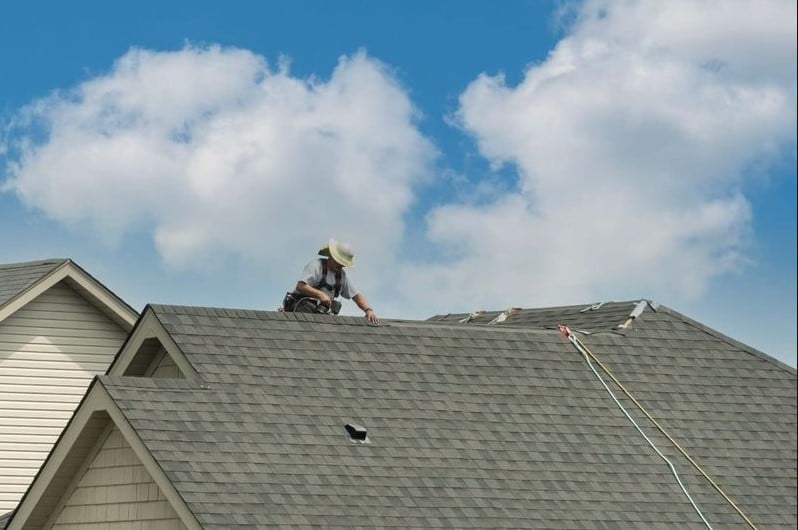
DIY roof leak repairs are possible when damage is minor and safely accessible. These methods vary by roof type.
Shingle Roof Leak Repairs
- Replace cracked, curled, or missing shingles
- Reseal lifted shingle edges with roofing cement
- Secure loose nails and seal nail heads
Flat Roof Leak Repairs
- Clean and dry the affected area
- Apply roofing patch material or membrane patch
- Seal seams, cracks, and blistered areas
Metal Roof Leak Repairs
- Tighten or replace loose fasteners
- Apply metal-compatible sealant to seams
- Patch small holes using metal roof repair kits
RV / Camper Roof Leak Repairs
- Clean roof surface thoroughly
- Apply RV roof sealant around vents, seams, and edges
- Patch cracked membranes with compatible repair tape
DIY repairs work best for early-stage leaks and routine maintenance rather than structural damage.
Step-by-Step Repair for Common Leak Types
Certain roof components are more prone to leaks and require targeted repair methods.
- Locate damaged or missing shingles
- Lift surrounding shingles carefully
- Replace the damaged section
- Secure and seal nails properly
- Inspect vent boots for cracks or brittleness
- Replace damaged rubber boots
- Reseal the vent base with roofing sealant
- Remove cracked or deteriorated pipe boot
- Install a new boot sized correctly for the pipe
- Seal edges and fasteners to prevent water entry
- Remove loose or corroded flashing
- Install new flashing where needed
- Seal joints and overlaps securely
- Check step flashing and counter flashing
- Reseal joints where flashing meets masonry or frames
- Replace damaged surrounding roofing materials
- Identify cracked seams or punctures
- Clean and dry the area
- Apply patch material or membrane
- Seal edges to prevent future lifting
Important DIY Repair Limitations
DIY roof leak repairs may not be suitable when:
- Leaks recur in the same area
- Structural decking is soft or rotting
- Multiple leak points exist
- The roof is aging or nearing replacement
In these cases, temporary fixes may slow damage but will not resolve the underlying issue.
Causes of Roof Leaks
Roof leaks develop when the roofing system can no longer block or properly redirect water. Most leaks are caused by a combination of material aging, installation errors, maintenance gaps, and weather-related damage, rather than a single isolated issue.
Understanding what causes roof leaks helps homeowners identify early warning signs and reduce long-term damage.
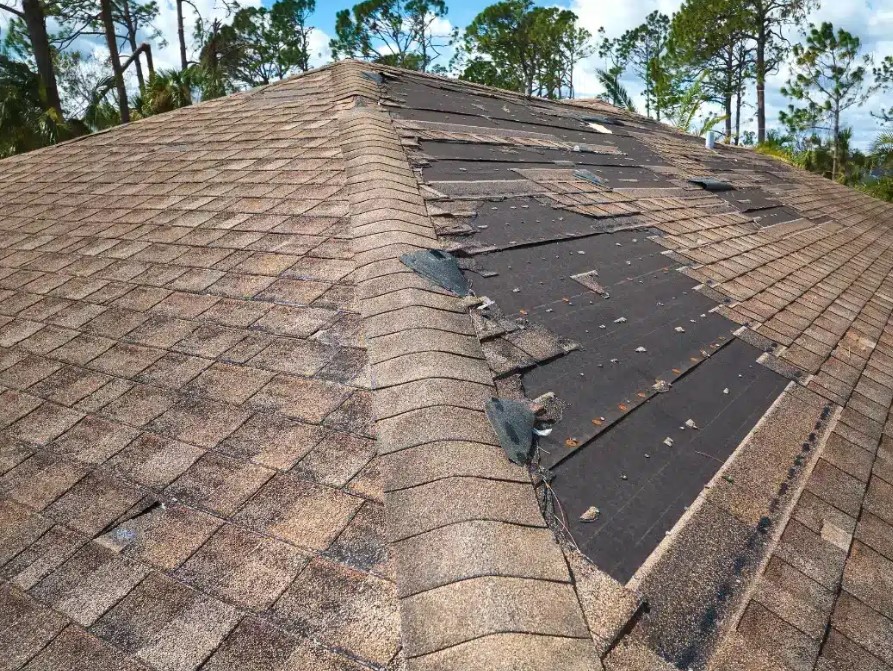
What Causes Roof Leaks?
The most common causes of roof leaks include:
- Aging roofing materials that lose waterproofing ability
- Storm damage from wind, hail, or heavy rain
- Improper installation of roofing components
- Damaged or missing flashing around roof penetrations
- Lack of routine inspection and maintenance
Water often enters at weak points such as seams, fasteners, or transitions, then travels along the roof structure before becoming visible inside the home.
Age & Wear
As a roof ages, its materials gradually break down, making leaks more likely even without severe weather.
- Roof Leak Cause → Effect Mapping:
- Damaged or missing shingles → Direct water penetration into roof decking
- Failed flashing → Water entry at roof transitions and penetrations
- Clogged gutters → Water backup beneath shingles and roof edges
- Aging roofing materials → Loss of waterproofing and flexibility
- Improper installation → Hidden leak paths that worsen over time
What Is the Average Lifespan of a Roof?
Average roof lifespan varies by material:
- Asphalt shingle roofs: approximately 20–30 years
- Metal roofs: approximately 40–70 years
- Flat roofing systems: approximately 15–30 years
- Tile and slate roofs: often 50 years or more
As roofs approach the end of their lifespan, shingles become brittle, sealants crack, and underlayment deteriorates—significantly increasing leak risk.
How Roof Age Increases Leak Risks
Older roofs are more vulnerable because:
- Protective granules wear off shingles
- Sealants dry out and lose flexibility
- Fasteners loosen over time
- Underlayment becomes thin or torn
Even small amounts of rain can penetrate aging materials that no longer expand and contract properly.
Installation & Maintenance Issues
Roof leaks often occur when the roof system was not installed or maintained correctly.
Improper Installation
Installation-related causes of roof leaks include:
- Incorrectly installed flashing
- Poorly sealed roof penetrations
- Misaligned shingles or panels
- Inadequate underlayment coverage
- Improper fastening techniques
These issues may not cause immediate leaks but often lead to problems months or years later.
Lack of Regular Maintenance
Without regular maintenance:
- Minor damage goes unnoticed
- Debris builds up in valleys and gutters
- Sealants crack and fail
- Small leaks worsen over time
Routine inspections help catch early-stage issues before water intrusion becomes severe.
Weather & Storm Damage
In Texas, roof leaks are frequently caused by hailstorms, strong straight-line winds, and rapid temperature changes that cause roofing materials to expand and contract. These local conditions accelerate wear on shingles, flashing, and underlayment, making Texas homes more vulnerable to leaks than in other regions.
Storm and Hail Damage
Storm-related roof leak causes include:
- Wind lifting or tearing shingles
- Hail cracking or puncturing roofing materials
- Heavy rain exploiting existing weaknesses
- Debris impact damaging flashing or vents
Even if damage is not immediately visible, storms can weaken roofing components and create future leak paths.
Ice Dams and Water Backup
In colder conditions:
- Ice dams form when melting snow refreezes at roof edges
- Trapped water backs up beneath shingles
- Moisture penetrates the roof decking
Ice dams often cause leaks near eaves and interior walls.
Roof Leak Prevention & Maintenance
Preventing roof leaks relies on consistent maintenance, early detection of minor issues, and protecting the roof’s water-shedding system. Most roof leaks can be avoided by addressing small problems before they allow moisture to penetrate the roofing structure.
Regular inspections and seasonal upkeep help extend roof lifespan and reduce the likelihood of unexpected leaks.
How to Prevent Roof Leaks
Roof leaks are best prevented by:
- Keeping roofing materials in good condition
- Ensuring water flows freely off the roof
- Maintaining sealed transitions and penetrations
- Identifying wear before it becomes failure
Prevention focuses on stopping water at the surface rather than managing damage after it enters the home.
Regular Roof Maintenance Essentials
Routine roof maintenance should include:
- Visual roof inspections at least twice per year
- Checking for cracked, loose, or missing shingles
- Examining flashing around vents, chimneys, and skylights
- Looking for exposed or loose fasteners
- Inspecting attic spaces for moisture or staining
Regular maintenance reduces the risk of hidden leaks that develop over time.
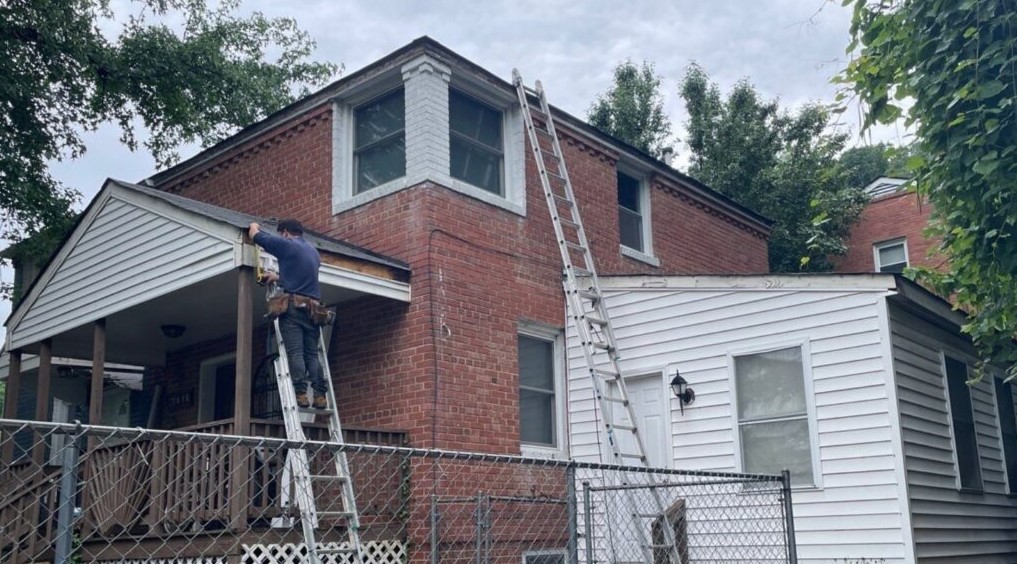
Seasonal Roof Maintenance Checklist
Seasonal changes place different stresses on roofing systems. A structured checklist helps prevent leak-related issues year-round.
Spring and Summer Maintenance
- Inspect shingles for storm or heat damage
- Check flashing for separation or corrosion
- Seal small cracks before heavy rain
- Ensure roof ventilation is unobstructed
Fall Maintenance
- Clean gutters and downspouts
- Remove leaves and debris from roof valleys
- Inspect roof edges and eaves
- Confirm flashing is secure before colder weather
Winter Maintenance
- Monitor for ice buildup near roof edges
- Ensure proper attic insulation and ventilation
- Check for interior condensation or moisture buildup
Cleaning Gutters to Prevent Roof Leaks
Clogged gutters cause water to back up onto the roof, increasing leak risk. Preventative gutter maintenance includes:
- Removing debris regularly
- Ensuring downspouts drain away from the foundation
- Checking for sagging or detached sections
- Repairing leaks at gutter seams
Proper drainage protects shingles, fascia, and roof decking.
Checking Flashing and Roof Penetrations
Flashing failures are a leading cause of roof leaks. Prevention includes:
- Inspecting flashing for cracks, rust, or lifting
- Resealing joints where flashing meets roofing materials
- Ensuring vent boots and pipe seals remain flexible
- Replacing damaged flashing before water intrusion occurs
Inspecting Shingles and Roofing Materials
Shingles act as the first line of defense against water. Leak prevention requires:
- Replacing damaged or missing shingles promptly
- Watching for granule loss or curling edges
- Checking for nail pops or exposed fasteners
- Addressing blistering or splitting materials early
Frequently Asked Questions (FAQs) About Roof Leaks Guide
Texas homeowners’ insurance policies typically cover roof leaks caused by sudden storm damage, such as hail or wind. However, leaks resulting from wear, aging, or poor maintenance are generally excluded from coverage.
Insurance generally covers roof leaks from rain or snow only if the water entered due to a covered peril, such as storm damage. Gradual leaks or leaks caused by aging materials are usually excluded.
Mold damage may be covered if it results directly from a covered roof leak and is reported promptly. Mold caused by long-term leaks or neglected maintenance is often not covered.
Most home warranties offer limited coverage for roof leaks, often excluding structural components and older roofs. Coverage typically applies only to specific systems and requires pre-approval.
Roof repair costs are usually not tax-deductible for primary residences. However, repairs related to rental properties or certain energy-efficiency upgrades may qualify under specific tax rules.
Roof Leaks Costs & Factors
How much does it cost to repair a roof leak?
The cost to repair a roof leak varies based on roof type, leak severity, and location. Minor repairs are generally less expensive, while extensive damage involving decking or flashing increases costs.
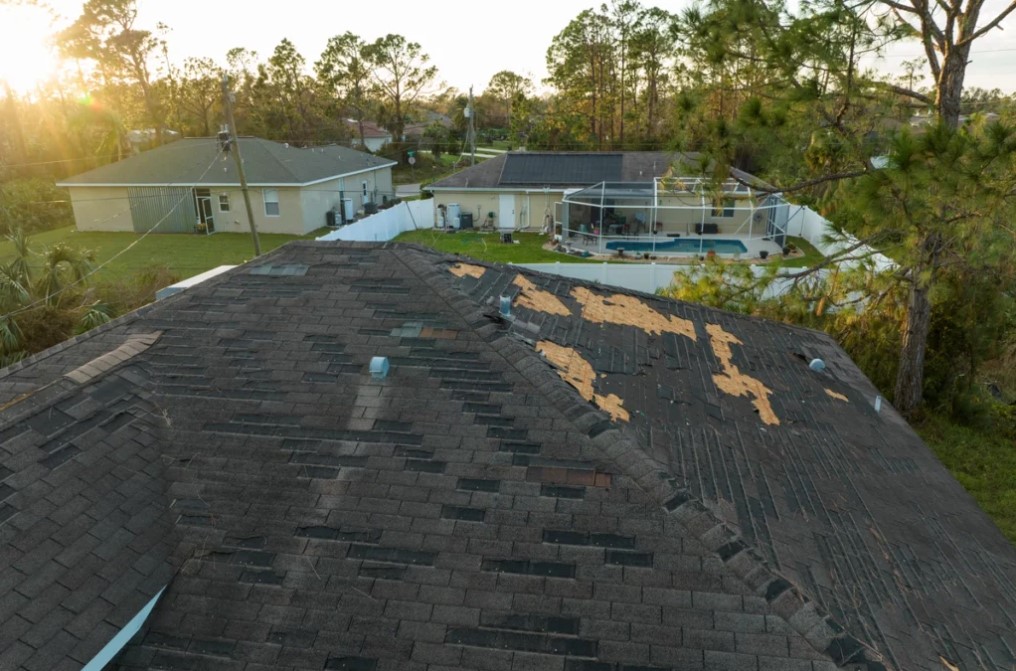
How much will it cost to fix a roof leak?
Simple repairs, such as sealing flashing or replacing a few shingles, typically cost less than major structural repairs. Costs rise if water damage has spread to insulation or framing.
How much does it cost to get a roof resealed?
Roof resealing costs depend on roof size, material, and sealant type. Resealing is usually less expensive than replacement but may not address underlying structural issues.
Urgency & Risk
How serious is a roof leak?
A roof leak is serious because it can cause structural damage, mold growth, insulation failure, and electrical hazards if not repaired promptly.
What happens if you ignore a roof leak?
Ignoring a roof leak can result in:
- Ceiling and wall damage
- Mold and mildew growth
- Rotting roof decking and framing
- Higher repair costs over time
Early intervention reduces both risk and expense.
Will my roof collapse from a leak?
Roof collapse is uncommon but possible if a leak causes long-term structural weakening, especially when water saturates insulation and framing over extended periods.
When Should You Call a Professional Roofer?
You should call a professional roofer if:
- Water is actively dripping inside the home
- The leak appears in multiple locations
- The roof decking feels soft or spongy
- Temporary repairs fail repeatedly
- The roof is over 15–20 years old
DIY repairs are suitable only for small, accessible leaks with no structural damage.
Conclusion: Smart Roof Care for Texas Homeowners
Roof leaks are rarely isolated problems. They are the result of aging materials, installation issues, weather exposure, or neglected maintenance—and they tend to worsen when left unaddressed. Understanding how to identify a roof leak, take immediate protective action, repair common leak types, and prevent future water intrusion allows homeowners to reduce damage and extend the life of their roofing system.
Early detection is critical. Small leaks can often be managed with timely repairs and routine maintenance, while delayed action increases the risk of mold growth, structural deterioration, and higher repair costs. Knowing when a leak requires temporary control versus permanent repair helps prevent unnecessary damage during storms or heavy rain.

Regular inspections, seasonal maintenance, and attention to vulnerable roof components such as flashing, vents, and shingles remain the most effective ways to prevent roof leaks. When combined with informed decision-making about repairs, insurance coverage, and long-term roof care, these practices help protect both the home and its structural integrity.
A well-maintained roof is not just a protective barrier—it is a system that requires awareness, upkeep, and timely response to remain effective over time.
Read Our More Blog Post!




3,000
COMPLETED PROJECTS
320
HAPPY CLIENTS
1,000
CUP OF COFFEE

